Water Damage Restoration Sierra Madre, CA
Burst pipes, failed hoses, roof leaks and storm runoff all push water into foothill homes. The restoration team extracts the standing water, opens what stays wet and dries the structure until the meters read normal.
(888) 578-6508 Dripping, soaking or flooding? Call for a crew- Night and day dispatch
- Moisture mapped room by room
- Truck mounted extraction
Shut off the main water valve if it is safe to reach, then call so the crew can load the right gear.
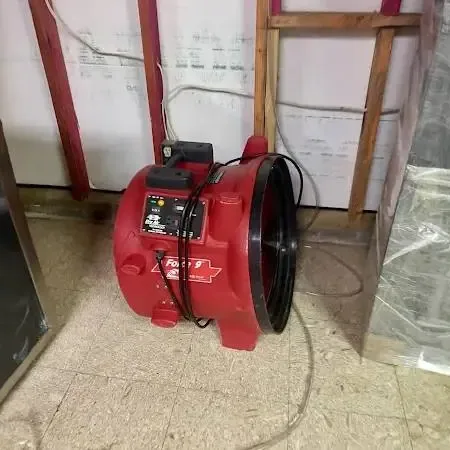
What a proper water loss response includes
In 2010, 61.8% of occupied homes here were owner occupied and 38.2% were rented, so the same crew works in houses, shared walls and rental units alike.
Read how the work is run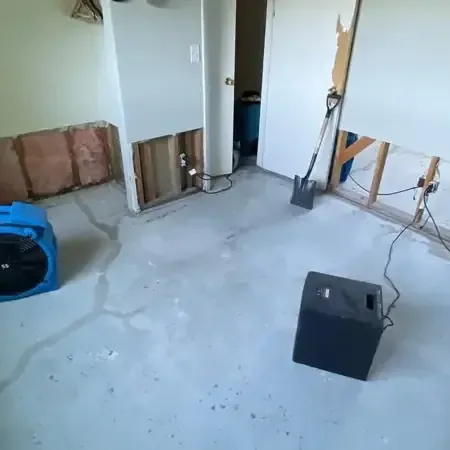
What to do right after water shows up
- Stop the water
Close the main valve or the supply valve at the fixture, but only if the spot is dry and safe to reach.
- Cut power near water
Switch off breakers for wet rooms and stay out of standing water around outlets, cords and appliances.
- Photograph everything
Capture the source, the wet surfaces and any damaged belongings before anything gets moved or thrown out.
- Lift what you can
Move small furniture, rugs and electronics to dry ground and prop open cabinet doors to let air in.
- Call a crew
Say what failed and how far the water has spread so the right equipment is loaded for the job.
Water damage services for Sierra Madre homes and shops
Every job starts by stopping the source and pulling out standing water, then moves to drying, cleaning and a final moisture check before any rebuilding begins.
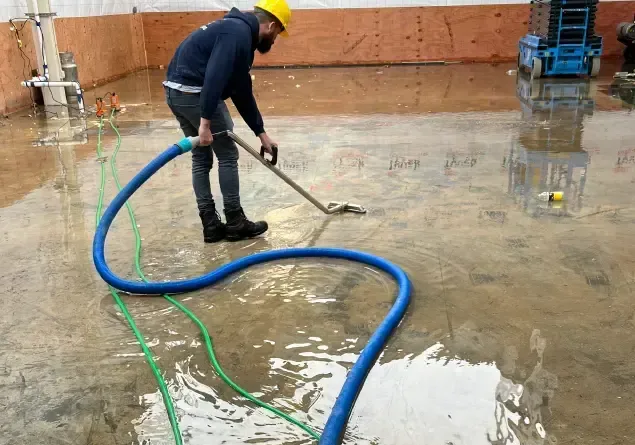 01Water Extraction and RemovalPumps and wands pull standing water off floors and carpet before it can reach the subfloor.Read the details
 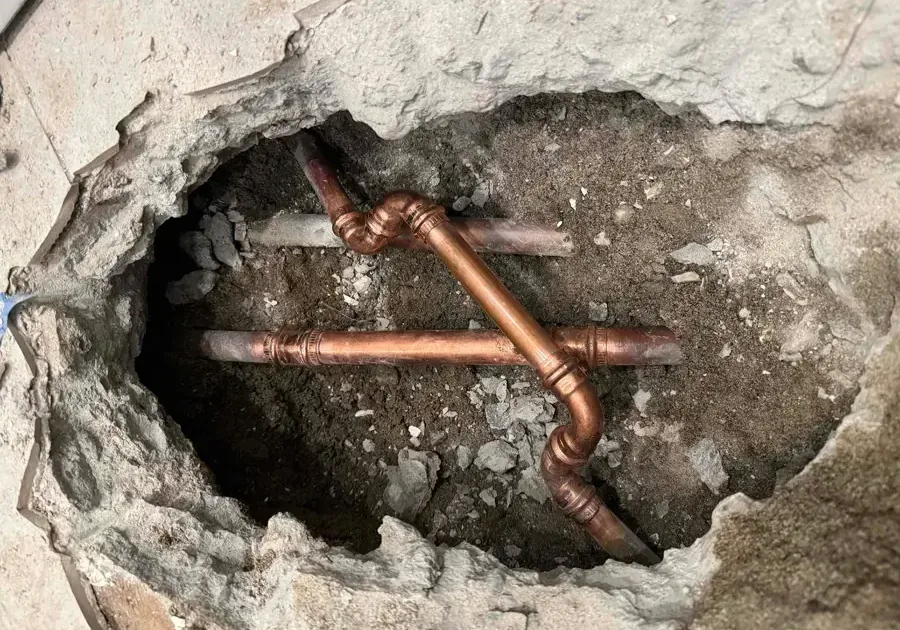 02Slab Leak Water DamageLeaks beneath the concrete are traced, flooring is lifted and the slab, walls and cabinets are dried.Read the details
 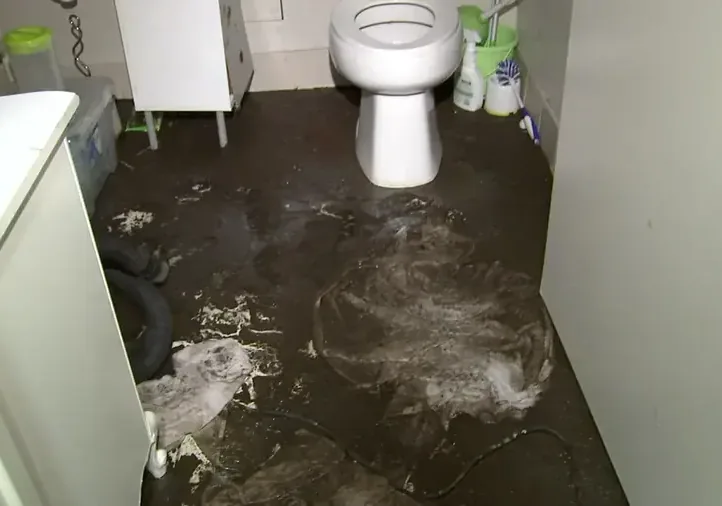 03Sewage Backup CleanupContaminated water is removed, porous materials are cut out and the area is cleaned and dried.Read the details
 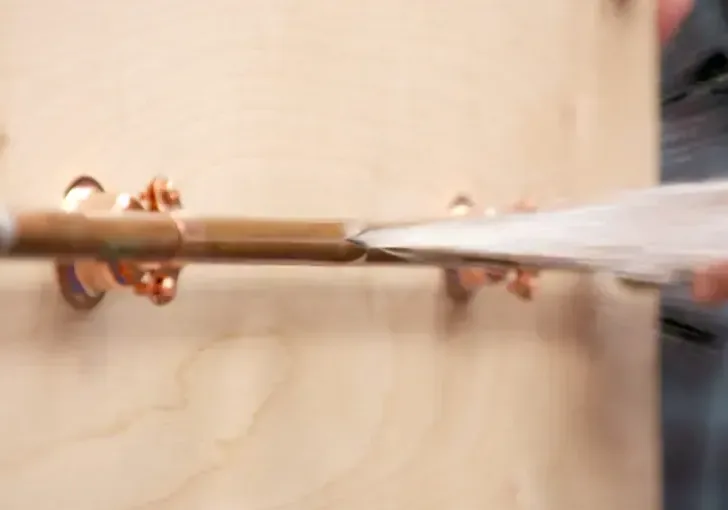 04Burst and Pinhole Pipe LeaksAfter a plumber stops a split or pinhole pipe, wet walls and floors are extracted and dried.Read the details
 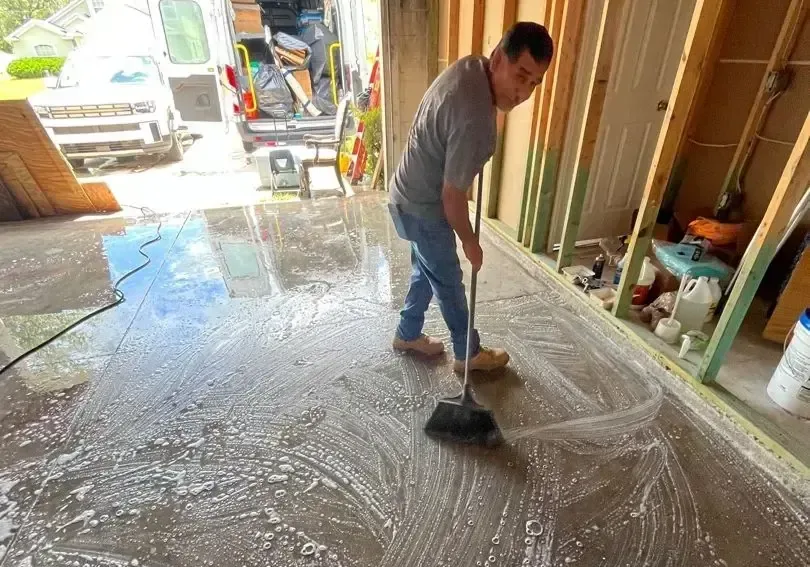 05Storm Water and Street Flooding CleanupRain runoff, mud and debris are cleared from garages and rooms, then the structure is dried.Read the details
 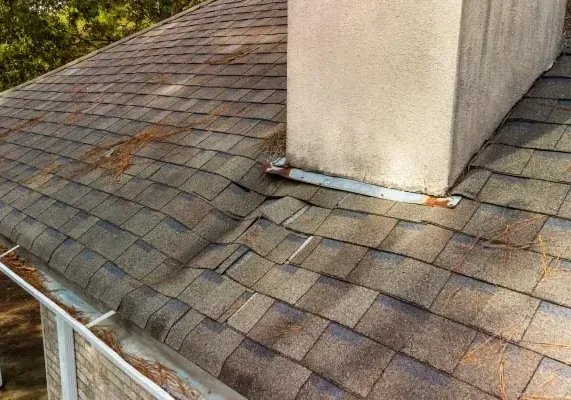 06Roof Leak Water DamageRain that slips past shingles and flashing wets attic insulation, ceilings and the walls below.Read the details
 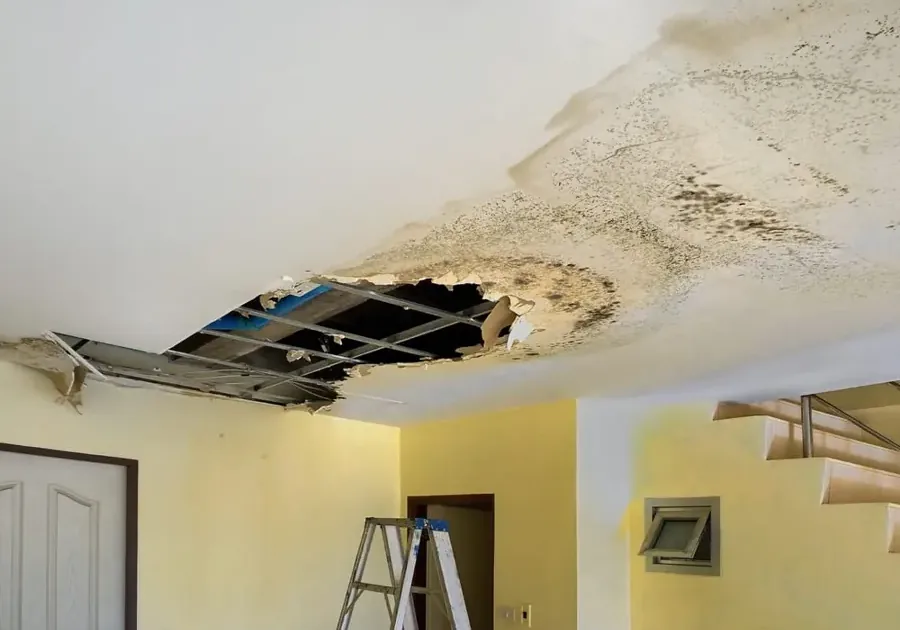 07Ceiling Leak Water DamageStained or sagging ceilings are traced to the source, opened up and dried above and below.Read the details
 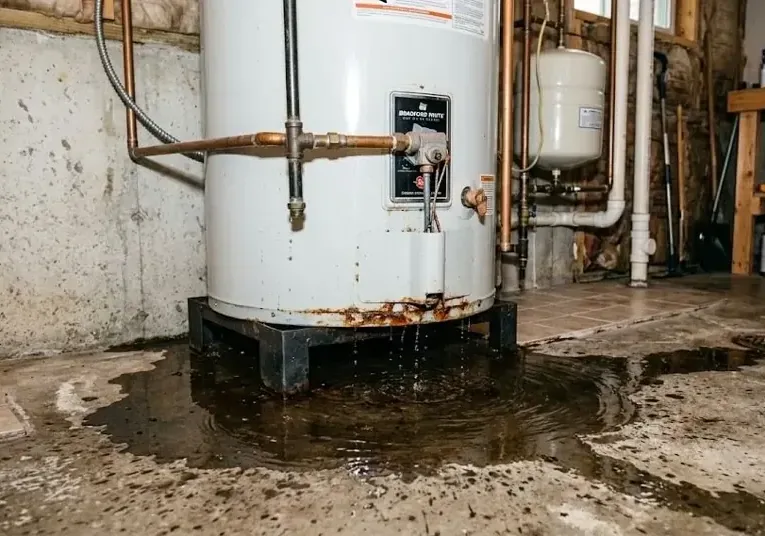 08Water Heater Leak CleanupA failed tank floods a closet or garage, then the water is extracted and nearby walls are dried.Read the details
 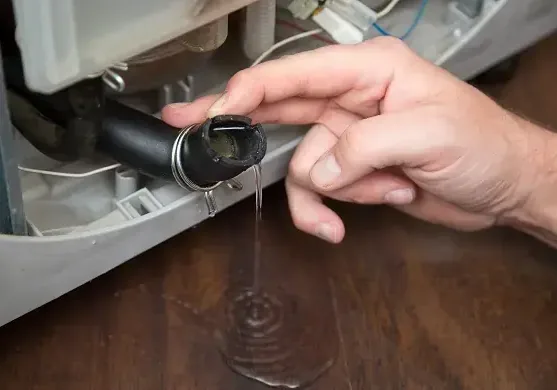 09Appliance and Supply Hose LeaksWasher, dishwasher and refrigerator hose failures soak floors and cabinets before anyone notices.Read the details
 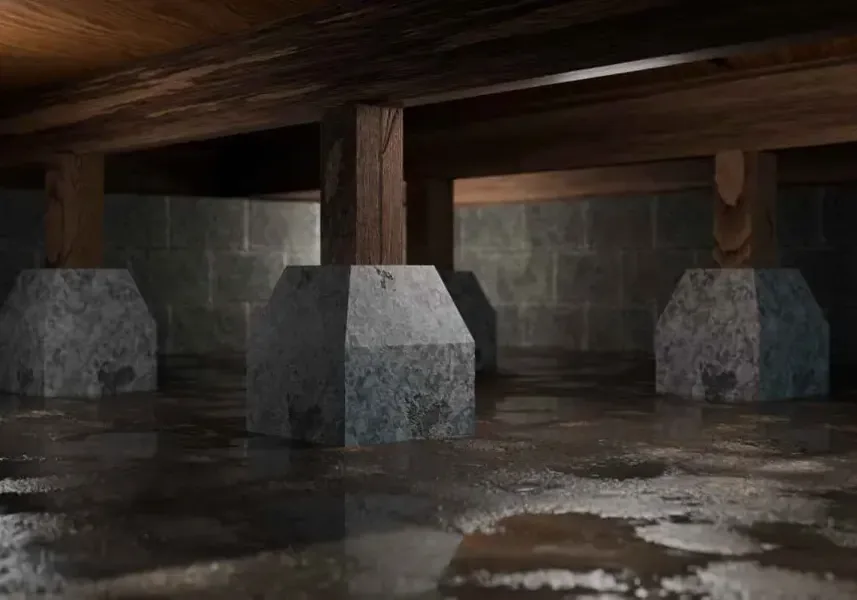 10Crawl Space Water RemovalWater pooled beneath the house is pumped out, then framing, piers and insulation are dried.Read the details
 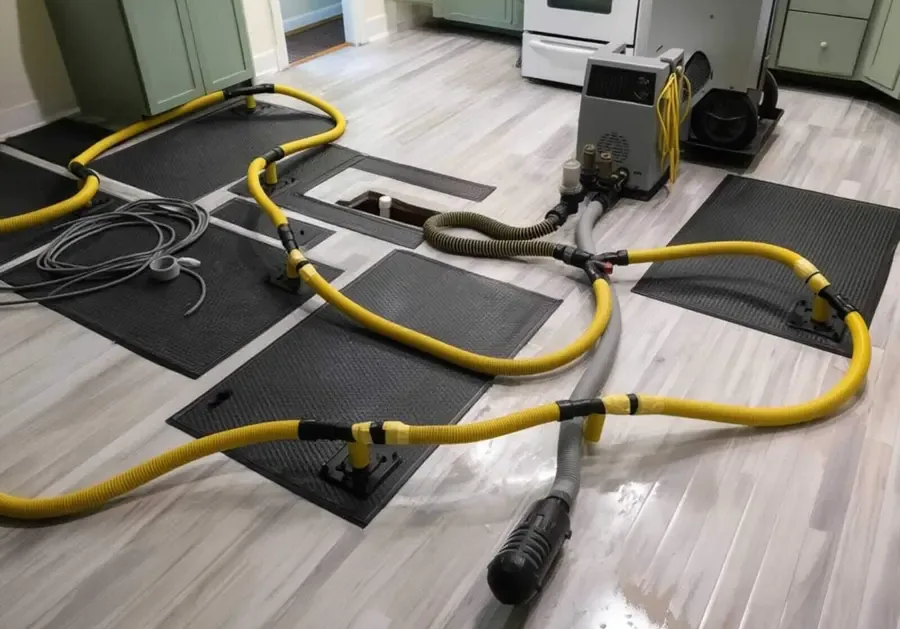 11Structural Drying and DehumidificationAir movers and dehumidifiers dry walls, subfloors and framing until moisture readings settle.Read the details
 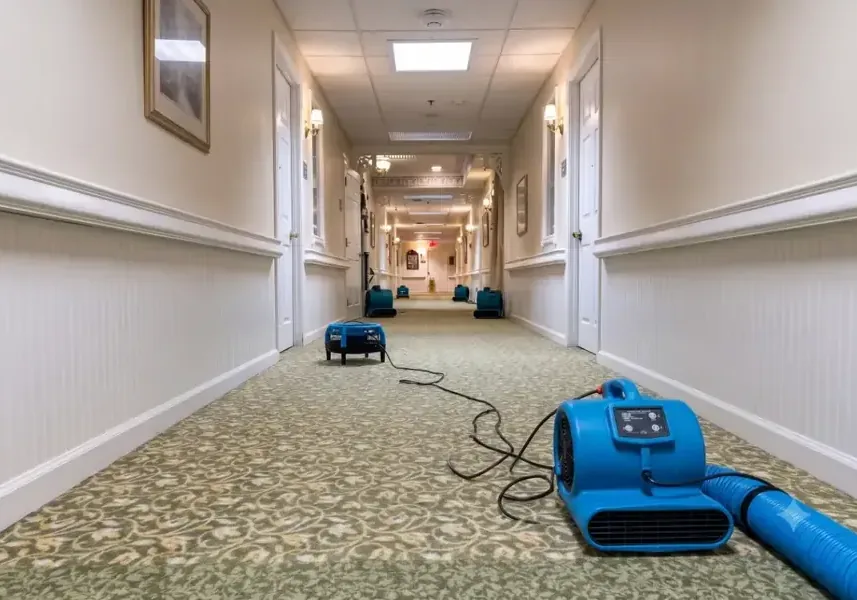 12Commercial Water DamageShops and offices are dried on a schedule built to get the doors open again.Read the details Water source unclear?Describe what is wet and where it started. The response team works out the rest on site.(888) 578-6508 Need a planning number?Four questions about the wet area, the source, the materials and the timing give a typical range.Try the cost calculator
 Water losses that show up most often
Water heater leaks
A rusted tank lets go in a closet or garage and soaks the wall beside it before the floor drain keeps up.
See heater leak cleanupAppliance hose failures
A cracked washer hose or loose dishwasher fitting can run for hours behind cabinets and under flooring.
See appliance leak helpStorm runoff
Foothill downpours send mud and water toward garages and ground floor rooms.
See storm cleanupA drying standard that can be checked
Each job follows the same order, and every step leaves a written record, so a homeowner or an adjuster can see exactly what happened and why.
- 01
Find the source
The leak or intrusion point is located and stopped by a plumber or the owner before any water removal begins, so the room stops taking on new water.
- 02
Pull out the water
Pumps and extraction wands clear standing water, then carpet, padding and baseboards are checked for soaking and lifted where they cannot be saved.
- 03
Dry the structure
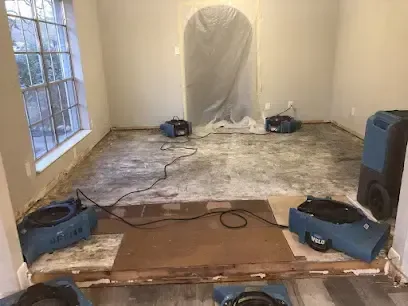
Air movers and dehumidifiers run around the clock while meters track walls, floors and framing, and gear is moved as areas dry.
- 04
Confirm and close
Final readings show dry materials, the equipment comes out and the logs and photos go to the owner for the insurance file.
Equipment on a typical dry-out
- Truck-mounted extraction
- LGR dehumidifiers
- Air movers
- Thermal imaging
- Pinless moisture meters
- HEPA air scrubbers
- Written drying goals
- Daily moisture readings
- Equipment removed at dry
What does water damage restoration cost here?
Most losses land between $1,200 and $16,000, depending on how many rooms are wet, how long the water sat and whether it was clean or contaminated. Days of drying equipment drive much of the total.
Small and caught early
$1,200 to $2,800
One room wet, Water fully extracted, Short drying run
Several rooms wet
$3,000 to $6,000
Lower walls opened, Padding removed, More drying equipment
Widespread or contaminated
$6,500 to $16,000+
Sewage or storm water, Materials cut out, Extended drying run
Ranges are typical for the area and shift with the water category and the materials involved. A firm number follows the moisture readings.
Four habits behind every finished dry-out
Moisture mapped first
Meters and thermal cameras show which walls, floors and ceilings hold water, so equipment goes where it matters most and no hidden pocket is left damp.
Containment when needed
Plastic sheeting and air scrubbing keep wet or contaminated areas separate from rooms that are still dry, so the damage does not travel.
Readings, not guesses
Drying logs track moisture on every visit until walls and framing return to a normal range for the materials involved.
Paperwork for the claim
Photos, readings and equipment logs are kept so an adjuster can follow exactly what was done.
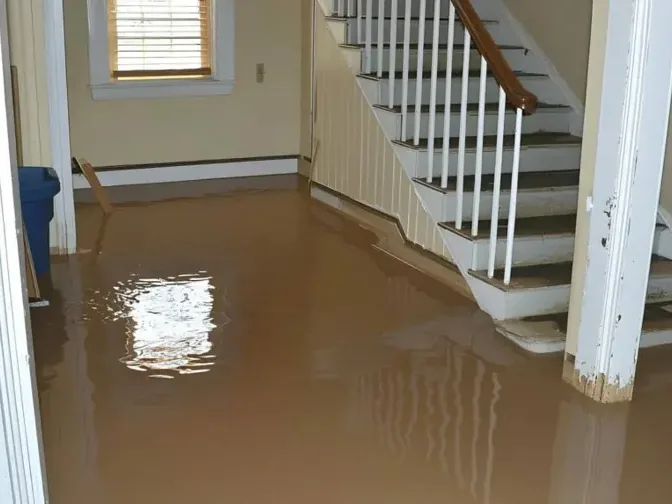
What the work looks like on site
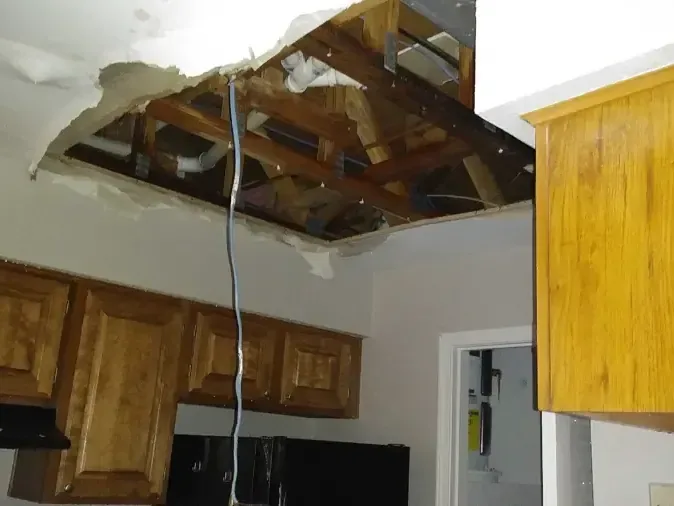
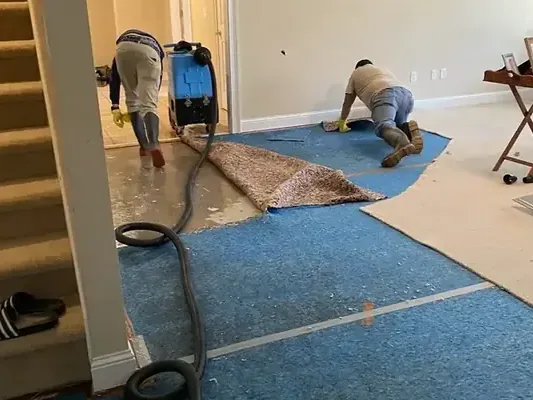
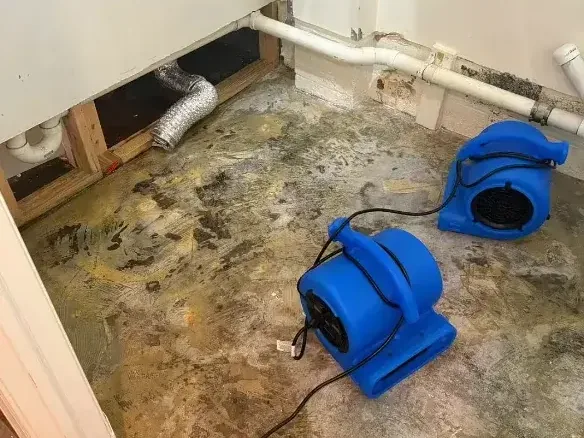
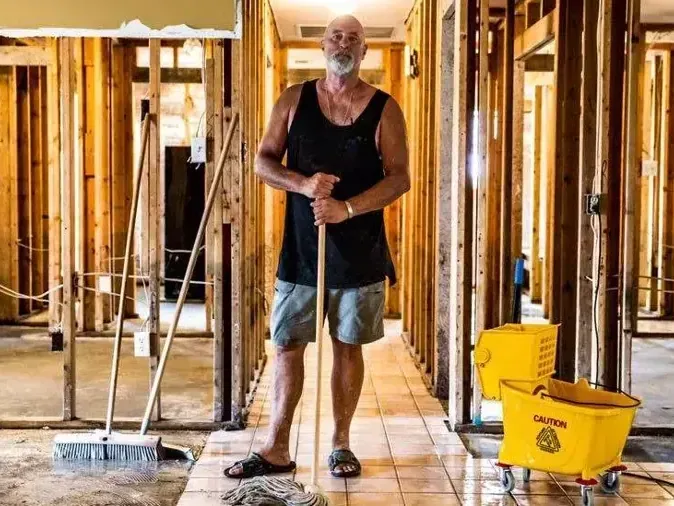
Where the drying crews work in Sierra Madre
Landmarks and streets
Close by
One call puts extraction and drying in motion
Crews cover the whole city day and night, from the blocks around Memorial Park to homes near Esperanza Avenue and the foothills below the Angeles National Forest.
Say which rooms are wet, what failed and whether water is still moving, and the pumps, fans and dehumidifiers are loaded to match the job.
(888) 578-6508 Get a crew moving tonightTemple City Water Damage Restoration
Sierra Madre, CA
Around the clock, every day
Browse every city coveredWhere water damage starts in Sierra Madre homes
The city sits in the foothills of the San Gabriel Valley, below the Angeles National Forest, so storm runoff matters alongside the usual pipe and appliance failures. Five patterns explain most calls.
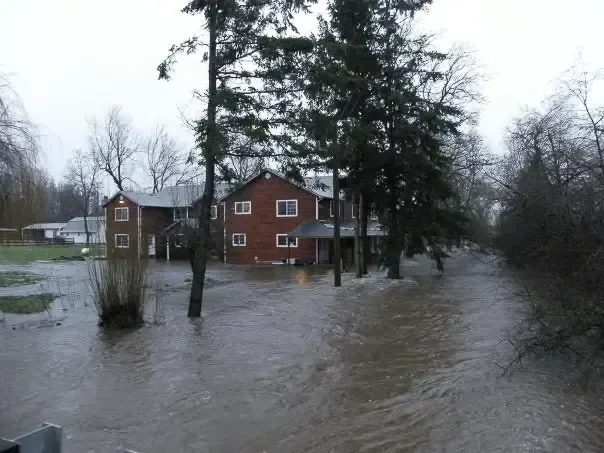
- Heavy rain and runoff. One thunderstorm brought a National Weather Service flood advisory and 1.23 inches of rain in 24 hours, enough for runoff to push into garages and ground floors.
- Mud and debris flows. Heavy rain has sent mud and debris into a neighborhood overnight, and silt left in a garage or hallway has to be removed before drying can work.
- Roofs and flashing. Sudden foothill storms test shingles, chimney flashing and valleys, and a small gap can soak an attic long before a ceiling stain shows.
- Owners and renters alike. With 38.2% of occupied homes rented in 2010, a leak from an upstairs or shared wall unit often wets a neighbor as well.
- Hidden pipe leaks. The city re-reads a meter within 24 business hours but will not locate leaks on private property, so a plumber has to trace the pipe.
March 1938 A storm and flood destroyed many resorts in the local mountains and ravaged Muir Lodge in Big Santa Anita Canyon above the city.
Sierra Madre water damage questions
How quickly does water damage spread?
Water wicks into drywall, insulation and subfloors almost as soon as it lands, and mold can begin in 24 to 48 hours, so extraction and fans should start early. Acting early keeps the repair smaller.
What should happen while help is on the way?
Stop the source if it is safe, switch off power to wet areas, photograph the damage and lift small items off wet floors. Leave the heavy tear out to the crew, who will decide what stays.
Who finds a hidden pipe leak?
City staff will not locate leaks on private property, so a plumber traces the pipe. The drying crew then removes the water and dries whatever the leak soaked, including walls and cabinets, using structural drying.
Does the crew work with insurance?
Yes. Photos, moisture logs and equipment notes are kept for the claim, and the crew can talk through the scope of work with an adjuster, though the policy itself decides what gets paid.
Can wet carpet and drywall be saved?
Clean water caught early often lets carpet and drywall dry in place. Contaminated water or long soaking usually means the padding and the lower wall board are removed and replaced later.
What does sewage damage involve?
Sewage is treated as contaminated water. Porous materials are cut out, surfaces are cleaned and disinfected, and the whole area is dried and checked before anything is rebuilt or painted.
How long does structural drying take?
Many homes dry in a few days, while dense materials such as hardwood and thick framing take longer. Daily readings, not a calendar, decide when the equipment can come out of the house.
Is storm runoff handled differently?
Yes. Mud, silt and debris are removed first (see storm flood cleanup), and floodwater from outside is treated as contaminated, so cleaning and sanitizing come before the drying equipment is set up in affected rooms.
Can a business stay open during drying?
Often yes. Equipment is staged around the busiest areas, work can run after hours and the affected rooms are dried first so the rest of the space keeps working for customers and staff.
Water on the floor is a problem that gets bigger with time
A call starts the extraction and drying plan, led by the restoration team.