Crawl Space Water Removal in Sierra Madre, CA
Water pooled beneath a house wets joists, piers and insulation where nobody ever looks. The crew crawls in, pumps it out, removes the soaked insulation and then dries the framing from below.
(888) 578-6508 Water under the house? Call to pump it out- Crawl space pumped out
- Soaked insulation removed
- Joists and piers dried
First steps when crawl space water removal shows up
- 1Stay out of the space
Do not crawl in alone, since the air and the footing can be unsafe.
- 2Shut off the source
Close the main valve if a pipe is leaking.
- 3Check the floors above
Note any soft spots, damp odor or cupped boards.
- 4Call for removal
Describe the access panel and the water depth you can see.
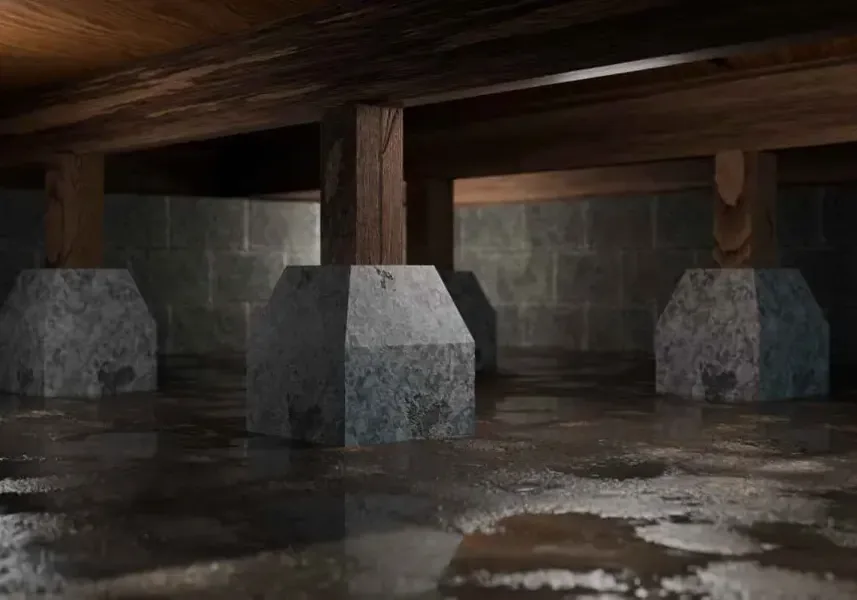
A crawl space hides water well. A plumbing leak, a failed drain or storm runoff can put an inch or two of water under the floor, and the damp air then rises into insulation, joists and the floor above. Each space is inspected and measured before the pumps go in.
How crawl space water removal is handled in Sierra Madre
- Inspect the space
Access, depth and water type are checked.
- Pump the water
Submersible pumps clear the crawl space.
- Remove wet material
Soaked insulation is bagged and hauled out.
- Dry and verify
Equipment runs under the floor until framing readings are normal.
What does crawl space water removal cost in Sierra Madre, CA?
Crawl space water removal in local homes usually costs about $1,500 to $3,500 for clean water caught early and $3,500 to $7,500 when insulation is removed. Sewage under the house can reach $15,000.
Clean water, caught early
$1,500 to $3,500
Water pumped, Space inspected, Short drying run
Insulation removed
$3,500 to $7,500
Insulation hauled, Joists dried, More equipment
Sewage under the house
$7,500 to $15,000
Contaminated removal, Cleaning step, Extended drying
Ranges are typical, not a quote: the water category, the square footage, the material class and how fast drying started move the number most. The water damage cost calculator gives a closer planning range.
What happens under the house
- The crew checks the access, the water depth and what is stored
- Submersible pumps clear the pooled water
- Soaked insulation is removed and bagged
- Air movers and dehumidifiers dry the framing and subfloor
If sewage is involved, the work follows the cleanup steps for contaminated water.
Why the water has to be found
Pumping a crawl space without finding the source leads to a repeat. A pipe leak, a drain that empties under the house or storm runoff each need a different fix, and the plumber or contractor handles that while the restoration team removes the water and dries the structure.
Drying from below
The floor above takes the damp air, so moisture readings are taken on the subfloor and the walls above. Where sewage reached the space, sewage backup cleanup applies, and the dry out itself follows the same process as structural drying.
How crawl space water removal is held to a standard
Order matters: measure, extract, dry to a goal, then prove it with readings.
Dispatch at any hour
Active water is treated as urgent at 3 a.m., on a Sunday or on a holiday, the same as on a weekday morning.
Dry by the numbers
IICRC S500 sets the goal. Equipment stays until meter readings match a dry reference, not until a surface feels dry.
A file the adjuster can use
Moisture maps, daily psychrometric logs and timestamped photos taken before any demolition go into one record.
Built for valley houses
Slab floors, raised floors with crawl spaces, garage water heaters and older supply lines are routine work in valley homes.
Related water damage services
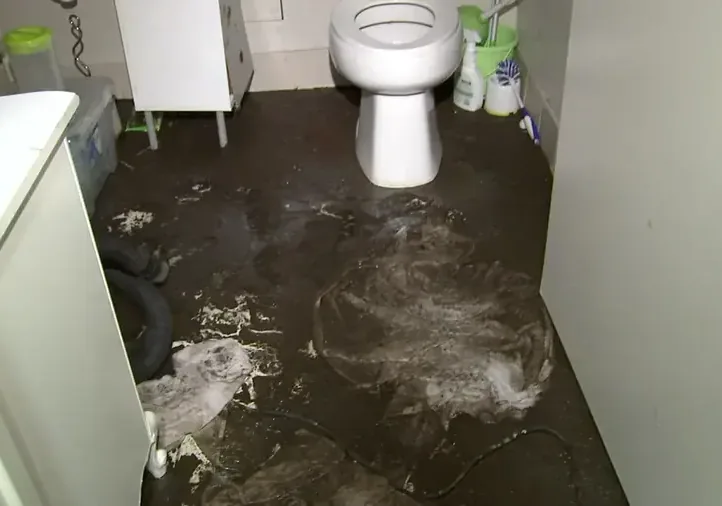 Sewage Backup Cleanup in Sierra MadreRead the details
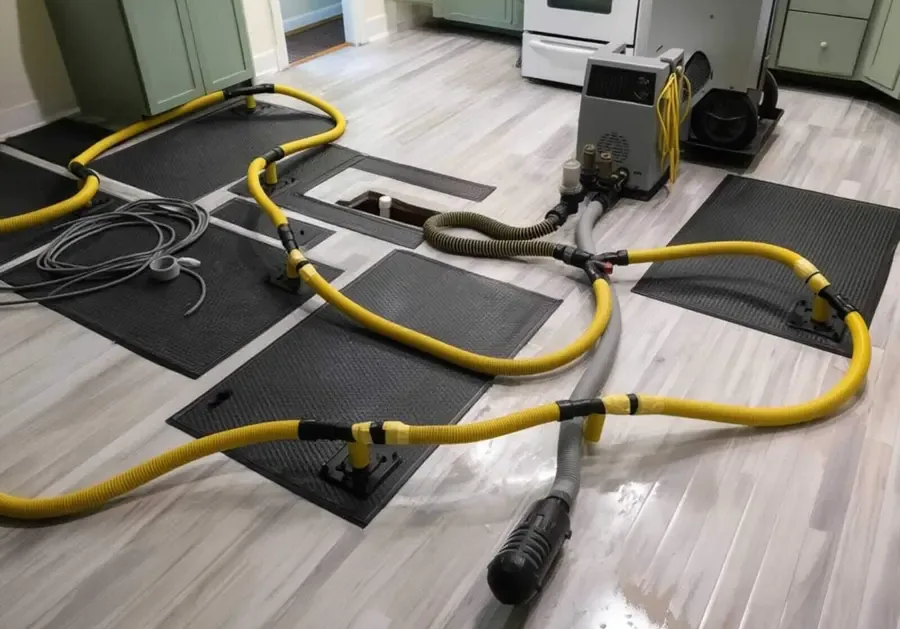 Structural Drying and Dehumidification in Sierra MadreRead the details
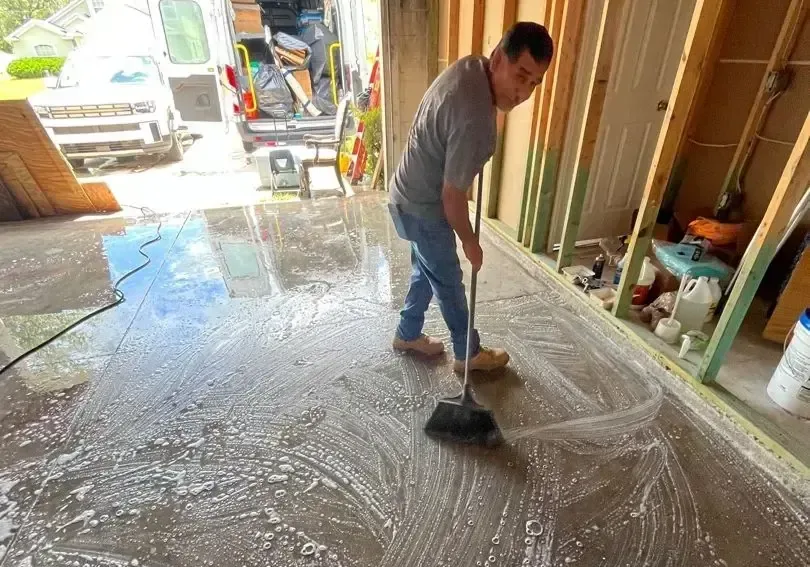 Storm Water and Street Flooding Cleanup in Sierra MadreRead the details
Crawl Space Water Removal in Temple CityRead the details
Water damage restoration in Sierra MadreRead the details
Storm Water and Street Flooding Cleanup in Sierra MadreRead the details
Crawl Space Water Removal in Temple CityRead the details
Water damage restoration in Sierra MadreRead the details Service area: Sierra Madre, CA
Crawl space jobs are handled in houses across the city, wherever an access panel leads under the floor, from the foothill streets to the blocks around Memorial Park, with ZIP codes 91024 and 91025 in the service area.
The same service nearby: crawl space water removal in Temple City, Arcadia, Rosemead.
Water damage restoration in Sierra Madre · every city covered
Crawl Space Water Removal: questions and answers
Is water in a crawl space always an emergency?
Not always, but it should not sit. Moisture rises into the floor above, and mold can begin in 24 to 48 hours on damp wood.
Where does the water come from?
A plumbing leak, a failed drain or storm runoff are the common causes. The crew looks for signs of which one and reports it, so the right repair can follow.
Does the insulation have to be removed?
Wet insulation usually goes, because it holds water against the framing and dries slowly, which keeps the joists and subfloor damp long after the pumps are done.
Can the crew work if the access is tight?
Yes, in most cases. Tight access may need more time, smaller pumps and extra hose, but the work gets done.
Does insurance cover crawl space water?
Plumbing leaks are often covered, while groundwater and runoff may not be. The adjuster looks at the cause.
Water under the floor needs pumping and drying.
Pumps, insulation removal and drying equipment placed beneath the house to dry the floor framing from below.