Structural Drying and Dehumidification in Sierra Madre, CA
Once the standing water is gone, walls, subfloors and framing still hold moisture. The drying team places air movers and dehumidifiers and checks the readings until each material is back to normal.
(888) 578-6508 Walls and floors still wet? Call about drying- Air movers placed by readings
- Dehumidifiers sized to room
- Logs kept for claims
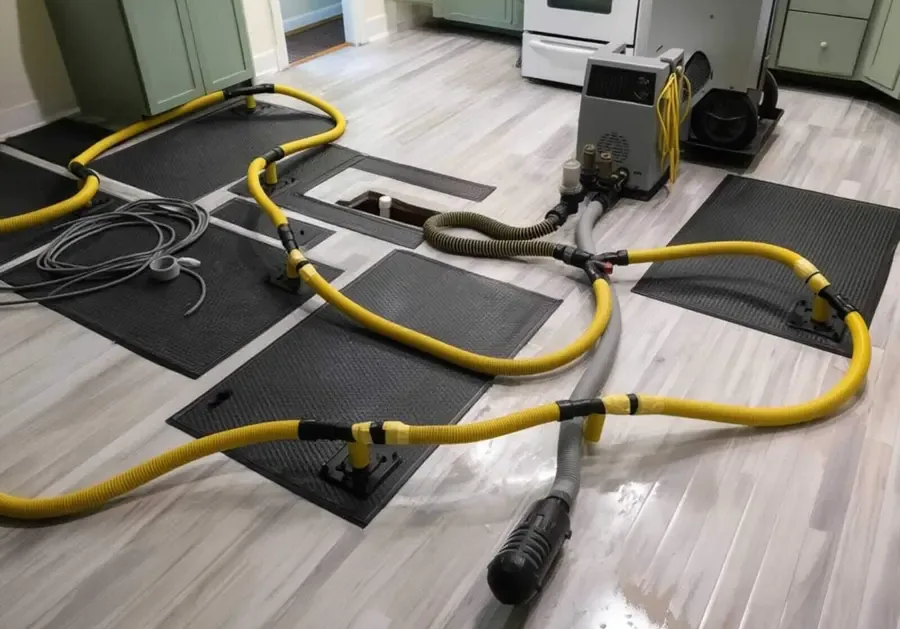
First steps when structural drying and dehumidification shows up
- 1Stay out of damp rooms
Keep traffic and pets away from the drying area.
- 2Keep the equipment on
Do not switch off fans or dehumidifiers between visits.
- 3Close doors and windows
A closed space dries faster and more evenly.
- 4Report any new damp spots
Tell the crew about odors, stains or soft floors.
Drying is the stage that decides whether a repair holds up. Materials that feel dry on the surface can keep water deep inside for weeks, and that trapped moisture leads to swollen trim, warped floors and mold. The target is a measured, written dry state, never a guess.
How structural drying and dehumidification is handled in Sierra Madre
- Measure the wet areas
Meters and thermal imaging outline what is wet.
- Place the equipment
Air movers and dehumidifiers are sized to the room.
- Check and adjust
Readings are taken each visit and equipment is moved.
- Confirm dry
Final readings meet the dry target and the equipment leaves.
What does structural drying and dehumidification cost in Sierra Madre, CA?
Structural drying in local homes usually costs about $1,000 to $2,500 for one room and $2,500 to $6,000 for several rooms. Dense materials such as hardwood and thick framing can reach $13,000.
One room
$1,000 to $2,500
Equipment placed, Daily readings, Short run
Several rooms
$2,500 to $6,000
More air movers, Dehumidifiers added, Longer run
Dense materials
$6,000 to $13,000
Hardwood or framing, Specialized gear, Extended drying
Ranges are typical, not a quote: the water category, the square footage, the material class and how fast drying started move the number most. The water damage cost calculator gives a closer planning range.
How drying equipment is placed
- Air movers are aimed along walls and under cabinets to lift moisture off surfaces
- Dehumidifiers pull that moisture from the air so it cannot settle back into the materials
- Thermal imaging and meters direct where equipment sits
- Hardwood, concrete and thick framing get extra time and, sometimes, specialized gear
Gear is moved as areas dry, so the effort follows the water.
Why readings matter more than days
Every house dries at its own pace. Each material starts at a different wetness, and readings show whether it is falling or stuck. The crew measures an untouched room with the same materials to set the target, then writes down each visit so an adjuster can follow the progress.
Where drying fits in the job
Pumps come first, so drying follows water extraction, since dehumidifiers cannot clear standing water. The same gear handles rooms hit by storm water and street flooding and by pipe or appliance failures. The work ends once the meters match the target.
How structural drying and dehumidification is held to a standard
Order matters: measure, extract, dry to a goal, then prove it with readings.
Dispatch at any hour
Active water is treated as urgent at 3 a.m., on a Sunday or on a holiday, the same as on a weekday morning.
Dry by the numbers
IICRC S500 sets the goal. Equipment stays until meter readings match a dry reference, not until a surface feels dry.
A file the adjuster can use
Moisture maps, daily psychrometric logs and timestamped photos taken before any demolition go into one record.
Built for valley houses
Slab floors, raised floors with crawl spaces, garage water heaters and older supply lines are routine work in valley homes.
Related water damage services
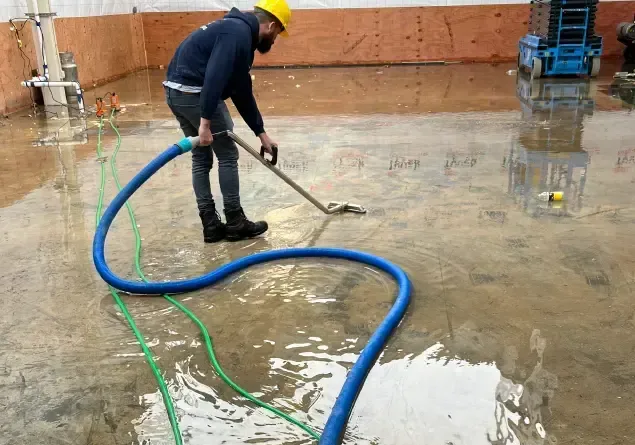 Water Extraction and Removal in Sierra MadreRead the details
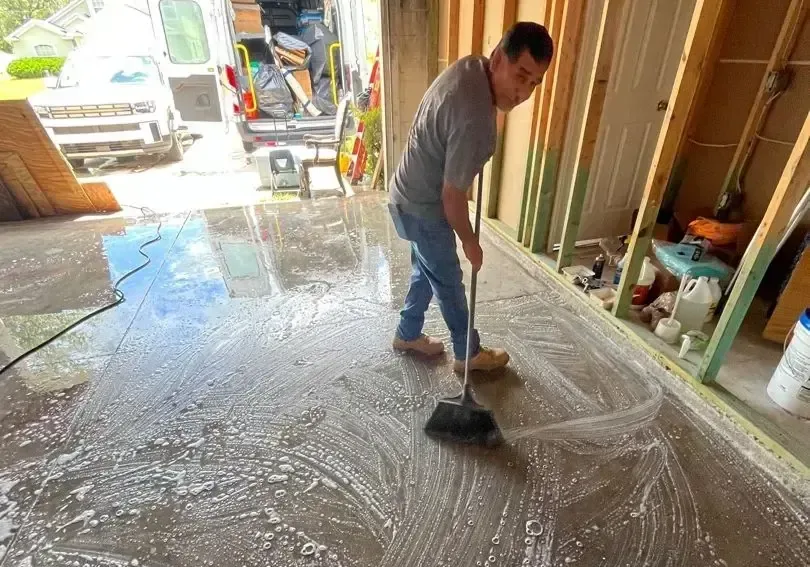 Storm Water and Street Flooding Cleanup in Sierra MadreRead the details
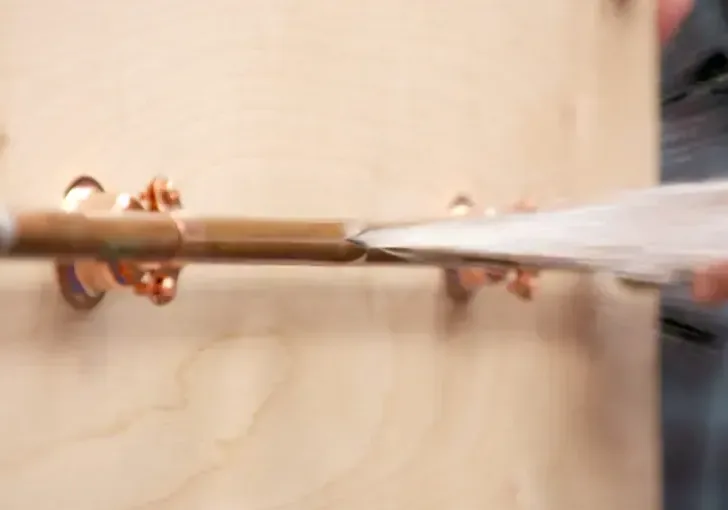 Burst and Pinhole Pipe Leaks in Sierra MadreRead the details
Structural Drying and Dehumidification in Temple CityRead the details
Water damage restoration in Sierra MadreRead the details
Burst and Pinhole Pipe Leaks in Sierra MadreRead the details
Structural Drying and Dehumidification in Temple CityRead the details
Water damage restoration in Sierra MadreRead the details Service area: Sierra Madre, CA
Structural drying is set up in homes across the city, from foothill houses to homes near Esperanza Avenue and Memorial Park, and the same drying standard applies in ZIP codes 91024 and 91025, wherever the water came from.
The same service nearby: structural drying and dehumidification in Temple City, Arcadia, Rosemead.
Water damage restoration in Sierra Madre · every city covered
Structural Drying and Dehumidification: questions and answers
How long does structural drying take?
Many rooms dry in a few days, while dense materials take longer. Readings decide when the job is finished.
Is the noise normal?
Yes. Air movers and dehumidifiers are loud, and they run around the clock because the drying works only if they stay on.
Will the electric bill go up?
Somewhat, because the equipment draws power for days. The crew sizes the gear to the room so it does not run longer than the readings require.
Can a floor be dried instead of replaced?
Often. Hardwood and laminate can sometimes be dried with mats and fans if the water is clean and treatment starts early.
Do I need to be home during drying?
Not all day, but the crew needs access for each reading visit, and someone should make sure the equipment stays running and the doors stay closed.
Wet materials need measured, documented drying.
Air movers, dehumidifiers and daily readings take the structure back to normal.