Sewage Backup Cleanup in Temple City, CA
A blocked sewer lateral sends sewage up the lowest toilet, tub or floor drain, so the cleanup crew treats it as Category 3 from the start, with PPE, containment, removal of soaked porous materials and antimicrobial treatment.
(888) 578-6508 Sewage coming up a drain? Call the crew- 24/7 Category 3 response
- PPE and containment
- EPA-registered antimicrobial
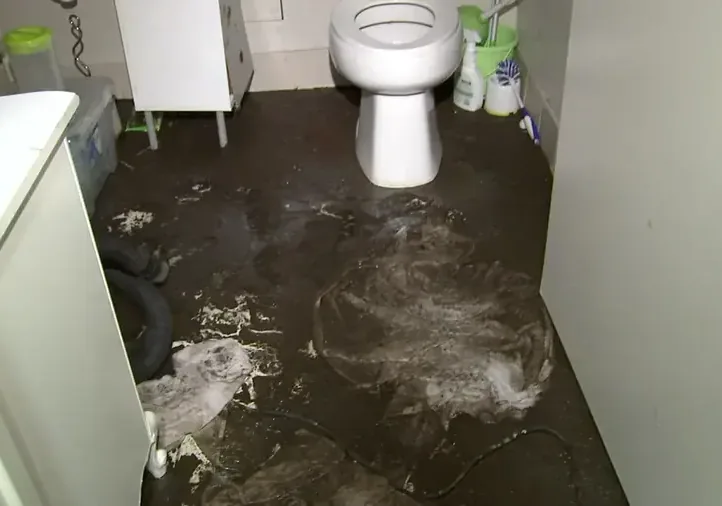
First steps when sewage backup cleanup shows up
- 1Stop using water
Do not flush, run taps or start the washer until the line is cleared.
- 2Keep people out
Close off the affected rooms, especially from children and pets.
- 3Do not touch it bare-handed
Avoid contact with sewage and anything it soaked.
- 4Photograph the damage
Record the affected rooms and the drain where it came up.
Sewage carries bacteria and viruses from the first minute, so a backup is never treated like a clean leak. Many backups start in the sewer lateral, the pipe between the house and the street main, and come up through the lowest drain in the house.
How sewage backup cleanup is handled in Temple City
- Contain the area
Plastic barriers and HEPA air scrubbers keep contamination in place.
- Extract and remove
Sewage is pumped out and soaked porous materials are bagged.
- Clean and treat
Surfaces are cleaned and treated with an EPA-registered antimicrobial.
- Dry and verify
Structural drying runs until readings reach a dry reference.
What does sewage backup cleanup cost in Temple City, CA?
Sewage backup cleanup usually runs about $2,000 to $4,500 for a bathroom, $4,500 to $9,500 for several rooms and more when it reaches a crawl space. Containment, material removal and square footage drive the number.
One bathroom
$2,000 to $4,500
Containment and PPE, Flooring and lower drywall out, Antimicrobial treatment
Several rooms
$4,500 to $9,500
Carpet and pad removed, Drywall cut above waterline, HEPA air scrubbing
Crawl space or whole floor
$9,500 to $18,000
Crawl space cleanout, Insulation removed, Extended drying
Ranges are typical, not a quote: the water category, the square footage, the material class and how fast drying started move the number most. The water damage cost calculator gives a closer planning range.
Why sewage is Category 3 from the start
IICRC S500 classes sewage as Category 3 water no matter how clear it looks. The crew works in PPE, seals the area with plastic containment and runs HEPA air scrubbers to keep contamination out of the rest of the house. Anyone with a weak immune system, an infant or an elderly relative should stay out of the affected rooms.
What gets removed and what gets cleaned
- Carpet, pad and upholstered items touched by sewage are removed
- Drywall and insulation are cut out above the waterline
- Hard surfaces are cleaned and treated with an EPA-registered antimicrobial at its label dwell time
- Structural drying begins only after cleaning
Laterals in older houses
Older laterals can be clay or cast iron in general. Joints shift, pipe cracks and roots from yard trees can get in. A plumber can camera the line after cleanup. The CDC covers health precautions, and OSHA sets the PPE expectations crews follow. Sewage response runs 24/7.
How sewage backup cleanup is held to a standard
Order matters: measure, extract, dry to a goal, then prove it with readings.
Dispatch at any hour
Active water is treated as urgent at 3 a.m., on a Sunday or on a holiday, the same as on a weekday morning.
Dry by the numbers
IICRC S500 sets the goal. Equipment stays until meter readings match a dry reference, not until a surface feels dry.
A file the adjuster can use
Moisture maps, daily psychrometric logs and timestamped photos taken before any demolition go into one record.
Built for valley houses
Slab floors, raised floors with crawl spaces, garage water heaters and older supply lines are routine work in valley homes.
Related water damage services
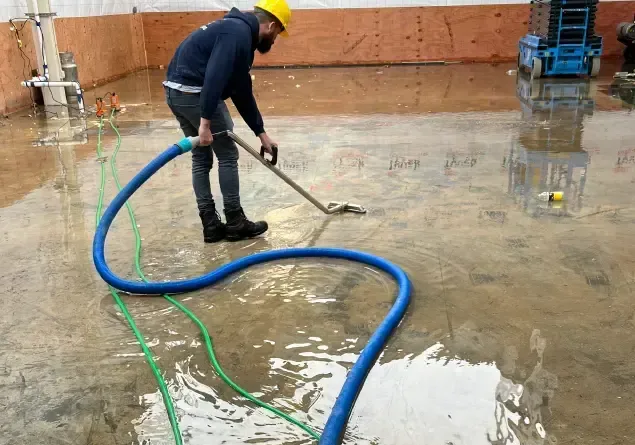 Water Extraction and RemovalRead the details
 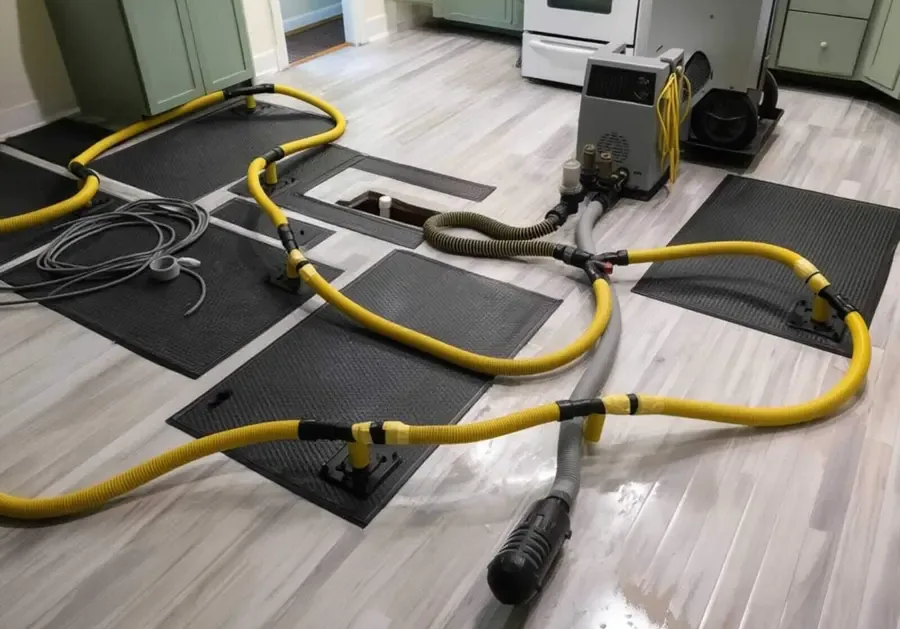 Structural Drying and DehumidificationRead the details
 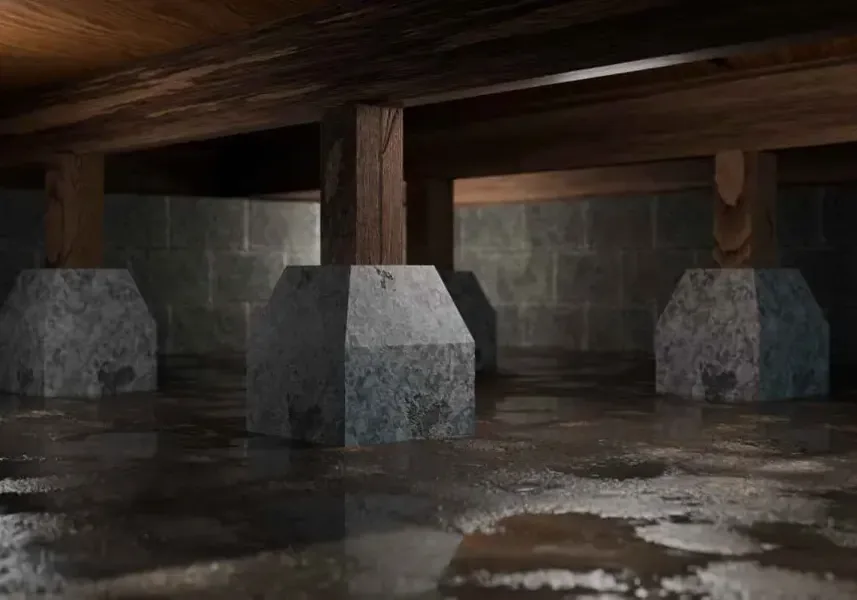 Crawl Space Water RemovalRead the details
 Service area: Temple City, CA
The restoration crew covers ZIP 91780 from Las Tunas Drive and the blocks around the park out to Rosemead Boulevard, Baldwin Avenue, Live Oak Avenue, Golden West Avenue and the streets that drain toward the Eaton Wash channel.
Nearby coverage reaches Arcadia, Rosemead, San Gabriel, San Marino, Sierra Madre, Monterey Park.
Sewage Backup Cleanup: questions and answers
Is sewage backup cleanup safe to do myself?
It is not recommended. Sewage is Category 3 water carrying bacteria and viruses, and proper cleanup needs PPE, containment and removal of soaked materials.
What causes a sewage backup in older houses?
Cracked or aging laterals, root intrusion, grease and wipes in the line, and city main blockages are the usual causes.
Can carpet be saved after a sewage backup?
No. Carpet and pad touched by sewage are removed. Hard flooring can often be cleaned and treated if water did not get underneath.
How long does sewage backup cleanup take?
Most cleanups take 2 to 5 days, including removal, cleaning, antimicrobial treatment and structural drying verified by readings.
Does homeowners insurance cover a sewage backup?
Many policies need a separate sewer backup endorsement. Check your own policy; the cleanup crew documents the loss for the claim.
Sewage in the house? Get it contained and cleaned properly.
PPE, containment, removal of soaked materials and antimicrobial treatment, documented for the claim.