Crawl Space Water Removal in Temple City, CA
Water from a broken line, a sewer lateral or storm runoff can pool under a raised floor where nobody sees it, so the crew pumps it out, removes wet insulation and dries the joists and subfloor to readings.
(888) 578-6508 Water pooled under the floor? Call dispatch- 24/7 crawl space response
- Pump-out and debris removal
- Joist and subfloor drying
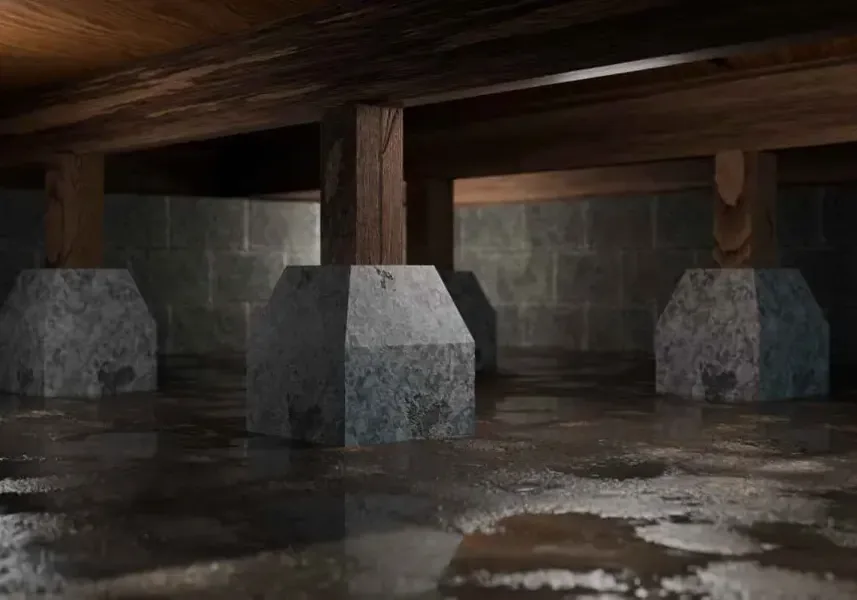
First steps when crawl space water removal shows up
- 1Stop the source
Close the main valve if a pipe under the house is leaking.
- 2Stay out of the crawl space
Do not enter standing water near wiring or a sewage leak.
- 3Note the signs upstairs
Photograph soft spots, cupping floors and musty areas.
- 4Keep vents clear
Clear debris from foundation vents once the water is stopped.
Not every house sits on a slab. Raised-floor houses have a crawl space under the floor framing, and water that collects there can sit for days. The signs upstairs are a musty smell, a soft or bouncy floor, cupping hardwood or a water bill that keeps climbing.
How crawl space water removal is handled in Temple City
- Inspect and categorize
The source is found and the water is classed by category.
- Pump and clean out
Standing water, mud and debris are removed.
- Remove wet insulation
Soaked insulation and vapor barrier come out.
- Dry the framing
Air movers and dehumidifiers dry joists and subfloor to readings.
What does crawl space water removal cost in Temple City, CA?
Crawl space water removal usually runs about $1,500 to $3,500 for clean water caught early, $3,500 to $7,500 when insulation comes out and more for sewage under the house. Square footage, access and water category drive the number.
Clean water, caught early
$1,500 to $3,500
Pump-out, Joist drying, Moisture readings
Insulation removed
$3,500 to $7,500
Insulation out, Vapor barrier replaced, Dehumidification
Sewage under the house
$7,500 to $15,000
PPE and containment, Contaminated materials removed, Antimicrobial treatment
Ranges are typical, not a quote: the water category, the square footage, the material class and how fast drying started move the number most. The water damage cost calculator gives a closer planning range.
Where crawl space water comes from
- A supply line or drain under the house breaking or separating
- A sewer lateral or cleanout leaking under the floor
- Storm runoff entering through vents or low foundation openings
- A water heater or appliance leak that dropped through the floor
Pump-out and removal
The crew enters through the crawl hatch, pumps out standing water and removes mud and debris. Wet fiberglass insulation between the joists is pulled because it holds water against the subfloor. If the source was sewage, the crawl space is treated as Category 3: PPE, removal of contaminated materials and an EPA-registered antimicrobial before drying.
Drying under the house
Air movers push air across the joists and subfloor, and dehumidifiers dry the enclosed space. Readings are taken on framing and subfloor daily. The EPA indoor air quality pages explain why damp crawl spaces affect the air upstairs, and Ready.gov covers safety around flood water. Crawl space response runs 24/7.
How crawl space water removal is held to a standard
Order matters: measure, extract, dry to a goal, then prove it with readings.
Dispatch at any hour
Active water is treated as urgent at 3 a.m., on a Sunday or on a holiday, the same as on a weekday morning.
Dry by the numbers
IICRC S500 sets the goal. Equipment stays until meter readings match a dry reference, not until a surface feels dry.
A file the adjuster can use
Moisture maps, daily psychrometric logs and timestamped photos taken before any demolition go into one record.
Built for valley houses
Slab floors, raised floors with crawl spaces, garage water heaters and older supply lines are routine work in valley homes.
Related water damage services
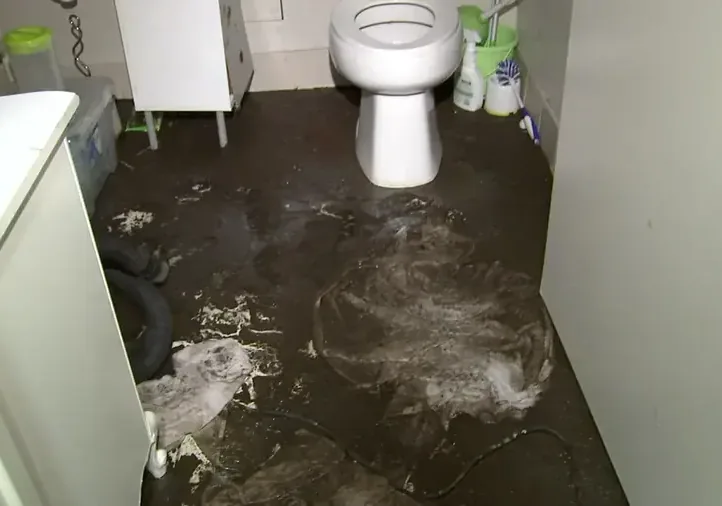 Sewage Backup CleanupRead the details
 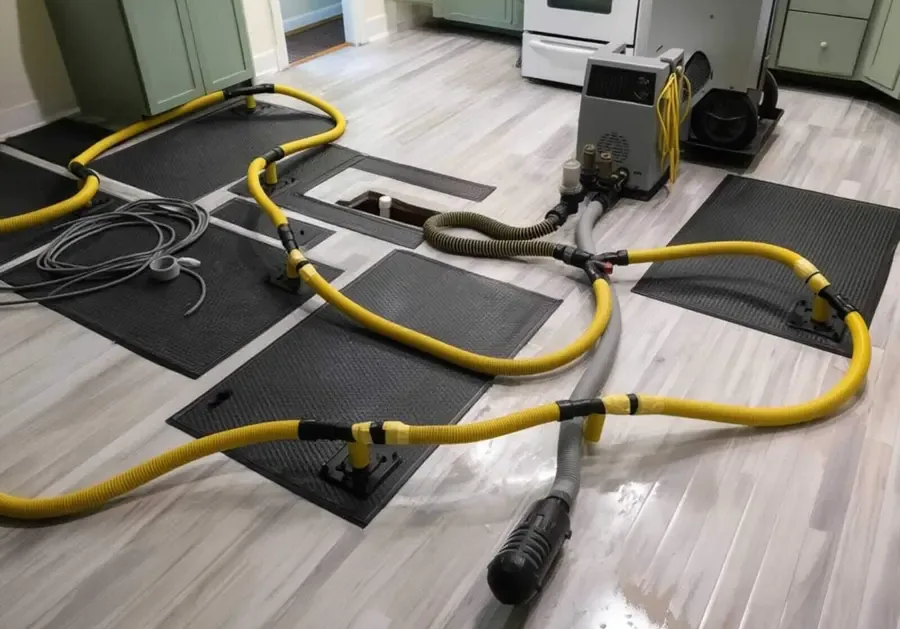 Structural Drying and DehumidificationRead the details
 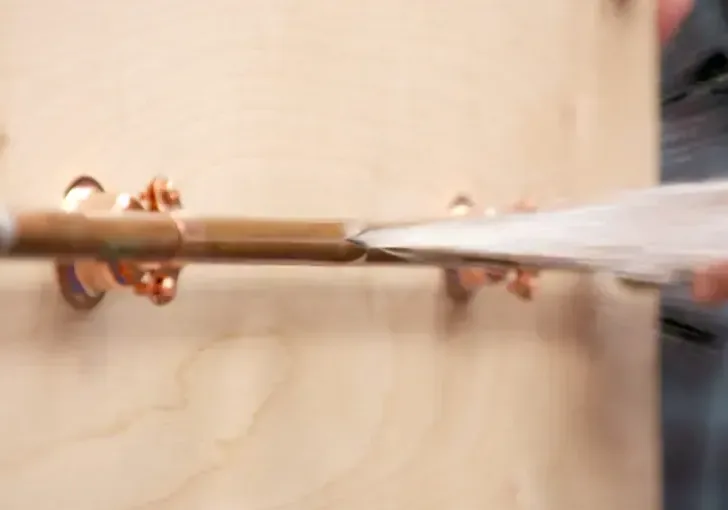 Burst and Pinhole Pipe LeaksRead the details
 Service area: Temple City, CA
The restoration crew covers ZIP 91780 from Las Tunas Drive and the blocks around the park out to Rosemead Boulevard, Baldwin Avenue, Live Oak Avenue, Golden West Avenue and the streets that drain toward the Eaton Wash channel.
Nearby coverage reaches Arcadia, Rosemead, San Gabriel, San Marino, Sierra Madre, Monterey Park.
Crawl Space Water Removal: questions and answers
How do I know there is water in the crawl space?
A musty smell, soft or bouncy floors, cupping hardwood, higher humidity indoors or a rising water bill often point to water under the house.
Is crawl space water removal dangerous to do myself?
It can be. Standing water near wiring, sewage contamination and tight access make it a job for a trained crew with PPE.
Does wet crawl space insulation have to be replaced?
Usually yes. Wet fiberglass holds water against the subfloor and loses its value, so it is removed and replaced after drying.
How long does crawl space drying take?
Most crawl spaces take 3 to 7 days to dry, depending on how wet the joists and subfloor got and the source of the water.
Can crawl space water damage the floors above?
Yes. Moisture rising from a wet crawl space can cup hardwood, loosen tile and soften the subfloor if it is not dried.
Water pooled under a raised floor? Get it pumped out and dried.
Pump-out, insulation removal and joist drying, documented for the claim.