Water Extraction and Removal in Temple City, CA
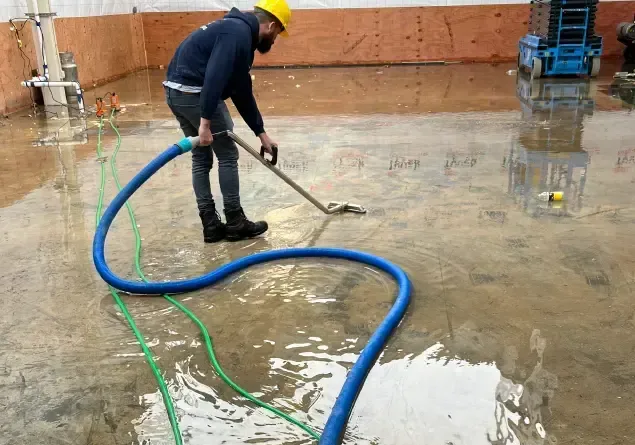
Standing water from a burst line, a tank failure or storm runoff gets pulled out with truck-mounted and portable extraction units, then the moisture left behind is mapped so drying starts on the right materials.
(888) 578-6508 Standing water in the house? Get it pumped out- 24/7 emergency dispatch
- Truck-mounted extraction
- Moisture mapping included
First steps when water extraction and removal shows up
- 1Stop the source
Close the main valve or the fixture shutoff so no new water reaches the floor.
- 2Kill the power to wet rooms
Switch off breakers for those rooms if the panel is dry and safe to reach.
- 3Photograph the water line
Take photos of every wet room before furniture or rugs are moved.
- 4Lift and move belongings
Get electronics, papers and rugs off the floor and onto a dry surface.
Extraction is the step that decides how long everything else takes. Every gallon left on the floor has to be evaporated later, and water that sits on a slab or under carpet pad keeps wicking up drywall and baseboards. Pulling the bulk of it out in the first hours cuts drying time and keeps more of the house salvageable.
How water extraction and removal is handled in Temple City
- Inspect and categorize
The source is confirmed and the water is classed as Category 1, 2 or 3.
- Extract the bulk
Truck-mounted units and wands pull standing water from every wet surface.
- Map hidden moisture
Meters and thermal imaging trace water under flooring and behind trim.
- Set up drying
Air movers and LGR dehumidifiers go in where the readings point.
What does water extraction and removal cost in Temple City, CA?
Water extraction in local homes usually runs about $800 to $2,000 for one or two rooms, $2,000 to $4,500 for several rooms and more for contaminated water. Square footage, the water category and what got wet set the number.
One or two rooms
$800 to $2,000
Truck-mounted extraction, Pad check and removal, Moisture map
Several rooms
$2,000 to $4,500
Carpet and pad extraction, Baseboard checks, Drying setup
Contaminated water
$4,500 to $9,000
Containment and PPE, Porous materials removed, Antimicrobial treatment
Ranges are typical, not a quote: the water category, the square footage, the material class and how fast drying started move the number most. The water damage cost calculator gives a closer planning range.
Why extraction comes before any fan
Air movers spread water vapor; they do not remove standing water. The extraction crew runs truck-mounted units with long hoses, carpet wands and weighted extraction tools that press water out of pad. On a slab house, water runs under tack strip and baseboard, so the crew checks along every wall, not just the visible puddle. Thermal imaging and pinless meters then show where water traveled out of sight.
What changes when the water is dirty
Clean water from a supply line is Category 1. A washer overflow is Category 2. A toilet backup or storm water that came in under the garage door is Category 3, and the plan changes:
- Crews wear PPE and set containment before extraction
- Carpet and pad touched by Category 3 water are removed, not dried
- Hard surfaces are cleaned and treated with an EPA-registered antimicrobial
Extraction in local houses
Homes in the area are built on slabs or raised floors. Slab homes push water sideways into wall bottoms and cabinets; raised floors let it drop into the crawl space. The Ready.gov flood page covers safety around standing water, and the EPA WaterSense leak checks help spot the slow leaks that end up needing extraction. Extraction crews are on call 24/7.
How water extraction and removal is held to a standard
Order matters: measure, extract, dry to a goal, then prove it with readings.
Dispatch at any hour
Active water is treated as urgent at 3 a.m., on a Sunday or on a holiday, the same as on a weekday morning.
Dry by the numbers
IICRC S500 sets the goal. Equipment stays until meter readings match a dry reference, not until a surface feels dry.
A file the adjuster can use
Moisture maps, daily psychrometric logs and timestamped photos taken before any demolition go into one record.
Built for valley houses
Slab floors, raised floors with crawl spaces, garage water heaters and older supply lines are routine work in valley homes.
Related water damage services
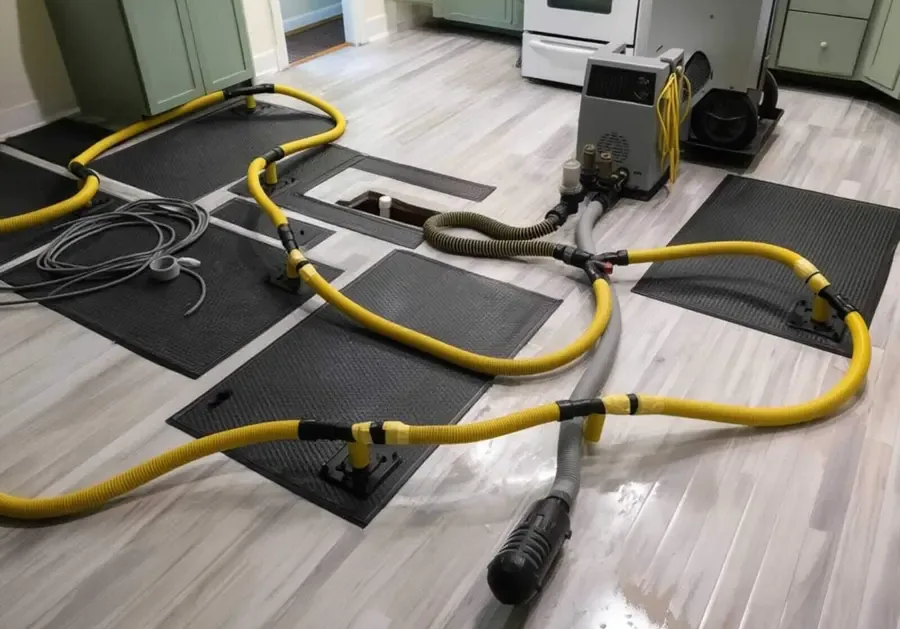 Structural Drying and DehumidificationRead the details
 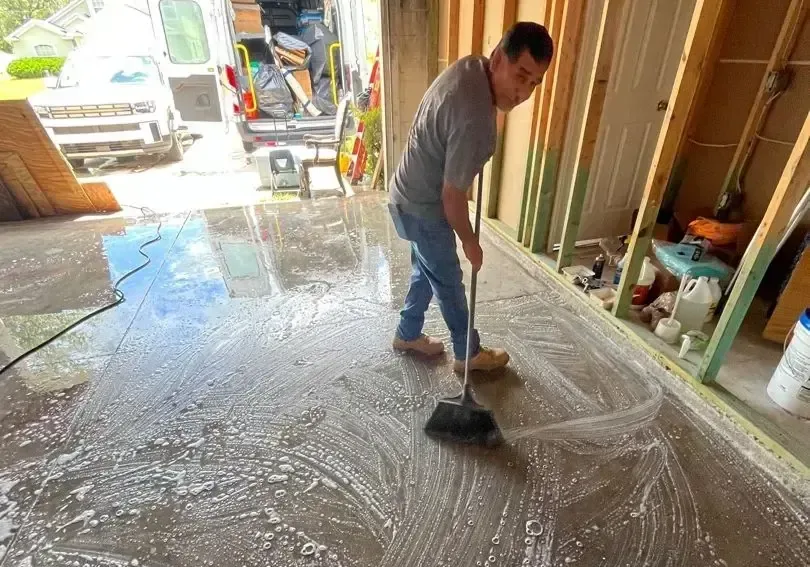 Storm Water and Street Flooding CleanupRead the details
 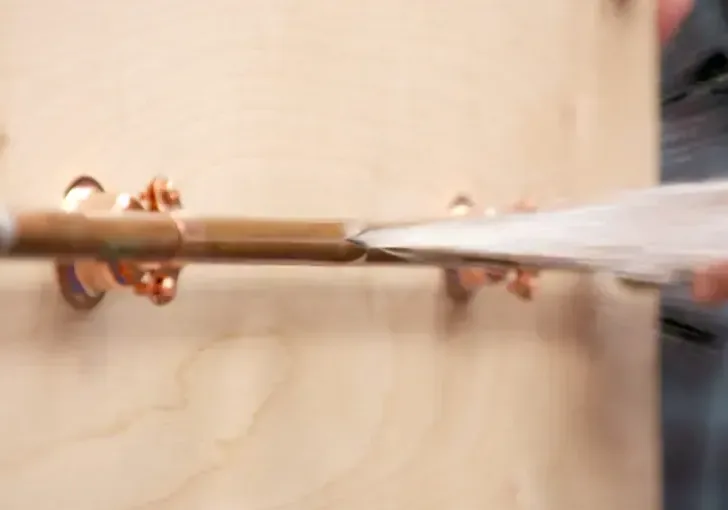 Burst and Pinhole Pipe LeaksRead the details
 Service area: Temple City, CA
The restoration crew covers ZIP 91780 from Las Tunas Drive and the blocks around the park out to Rosemead Boulevard, Baldwin Avenue, Live Oak Avenue, Golden West Avenue and the streets that drain toward the Eaton Wash channel.
Nearby coverage reaches Arcadia, Rosemead, San Gabriel, San Marino, Sierra Madre, Monterey Park.
Water Extraction and Removal: questions and answers
How fast does water extraction need to start?
As soon as the source is stopped. Water soaks into pad, drywall and framing by the hour, and mold growth can begin in 24 to 48 hours on wet materials.
Can a shop vacuum replace professional extraction?
A shop vac helps with a small spill. It cannot pull water out of carpet pad or from under baseboards, and that hidden water is what keeps a room wet.
Does carpet have to be thrown out after water extraction?
Not always. With clean water and fast extraction, carpet can often be dried in place. Pad usually gets replaced, and anything touched by Category 3 water is removed.
How much does water extraction cost?
Small areas often run about $800 to $2,000. Larger losses and contaminated water cost more because of the square footage, removal of materials and containment.
What happens after the water is extracted?
The drying team maps remaining moisture, sets air movers and dehumidifiers, and checks readings daily until materials sit within 2 to 4 points of a dry reference.
Standing water in the house? Get it out before it spreads.
Truck-mounted extraction, moisture mapping and drying, documented for the claim.