Water Damage Restoration Rosemead, CA
Extraction, structural drying and cleanup for Rosemead homes, apartments and shops hit by leaks, burst pipes, sewage backups and storm water. Tell dispatch what failed and the crew loads pumps, air movers and dehumidifiers to match.
(888) 578-6508 Talk to a dispatcher about the water- Open all night
- Moisture mapped by room
- One crew for cleanup and drying
Apartment, rental or house, the goal is the same: stop the source and get standing water out before it reaches walls.
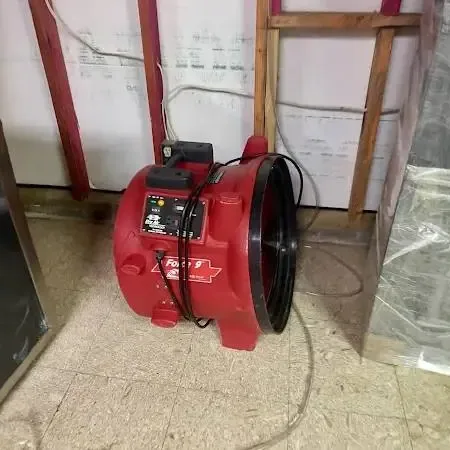
Crews that know apartments and rentals
Rosemead packs 51,185 residents into a compact city, and about half of occupied homes were rented in 2010, so one leak often involves neighbors, landlords and insurers at once.
Read how the work is run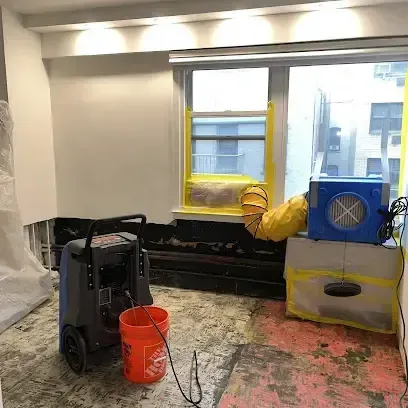
Smart moves right after water shows up
- Find and stop the source
Shut the fixture valve or the main valve. Stay away from wet outlets, cords and appliances.
- Cut power to wet rooms
Switch off breakers serving rooms with standing water or a dripping ceiling. Call an electrician if the panel itself is wet.
- Photograph everything
Take wide and close photos of the damage, the failed part and any labels before anything is moved, since insurers ask for them.
- Lift small items
Move rugs, books and electronics onto dry ground. Leave heavy furniture where it sits.
- Call for extraction
Describe the water source and the rooms involved so the crew brings suitable pumps and drying gear.
Twelve water damage services for local properties
Every job starts by finding the source and the extent of the wet materials, and then the matching service below takes over from there.
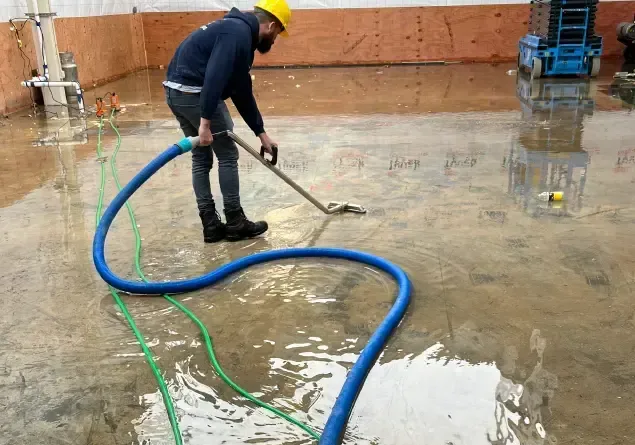 01Water Extraction and RemovalPumps and wands pull standing water from carpet, tile and subfloors before it soaks into the framing.Read the details
 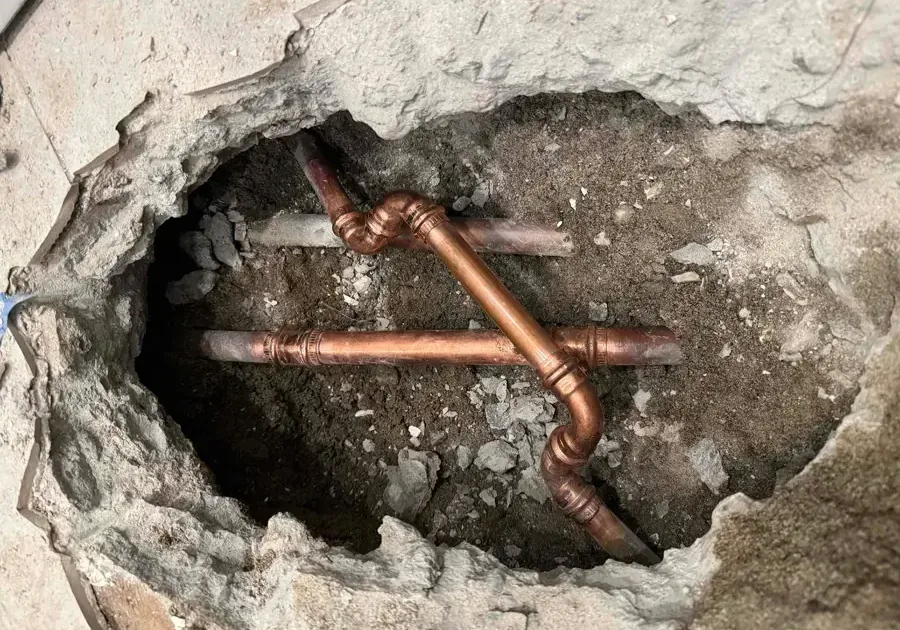 02Slab Leak Water DamageLeak mapping, targeted flooring removal and concrete drying after a pressurized pipe breaks under the floor.Read the details
 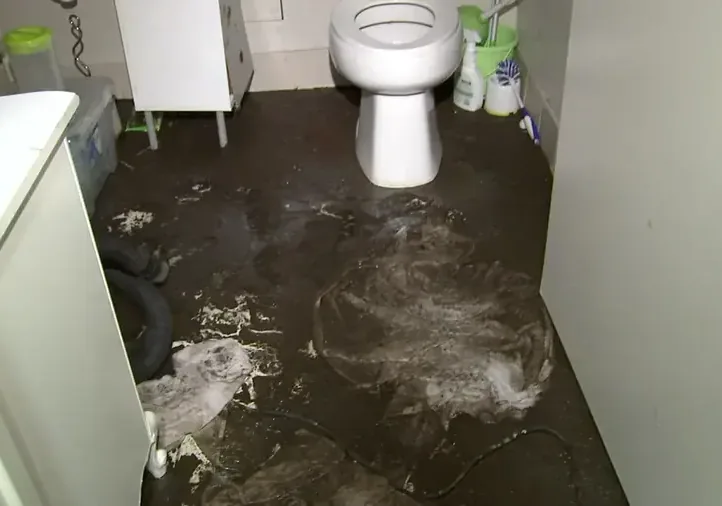 03Sewage Backup CleanupContaminated water is removed, affected materials are discarded and the area is cleaned and sanitized to protect health.Read the details
 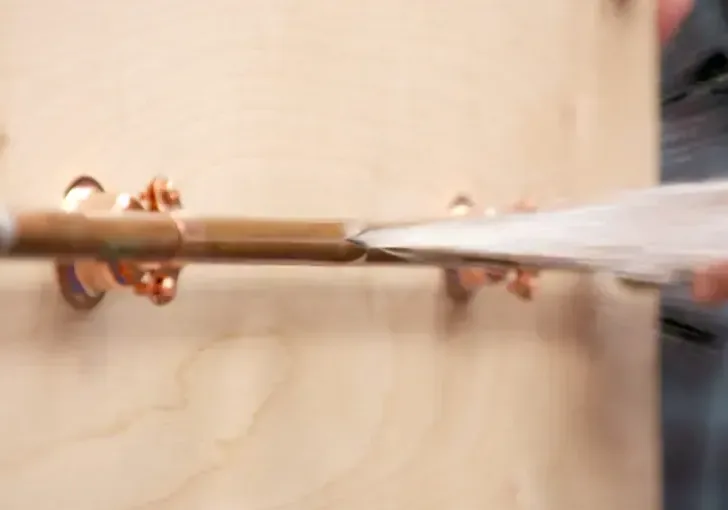 04Burst and Pinhole Pipe LeaksShutoff guidance, extraction and drying after a split or pinhole pipe leaks inside walls, ceilings or floors.Read the details
 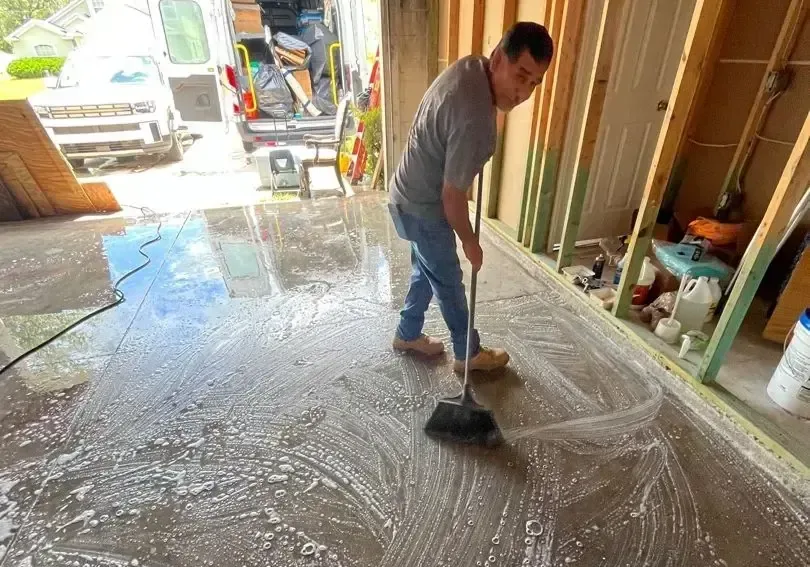 05Storm Water and Street Flooding CleanupMud, runoff and street water pumped out of garages and ground floors after a heavy rain.Read the details
 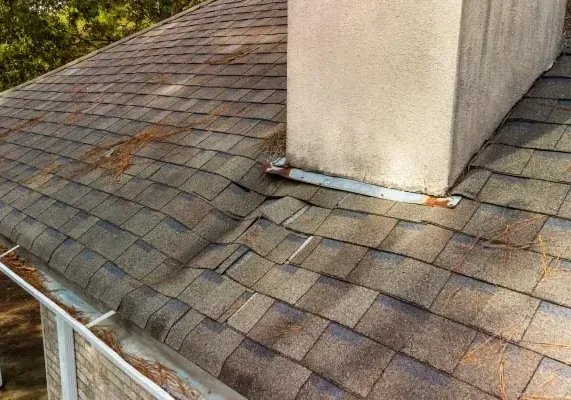 06Roof Leak Water DamageWet insulation, soaked drywall and dripping ceilings dried out after rain finds its way through the roof.Read the details
 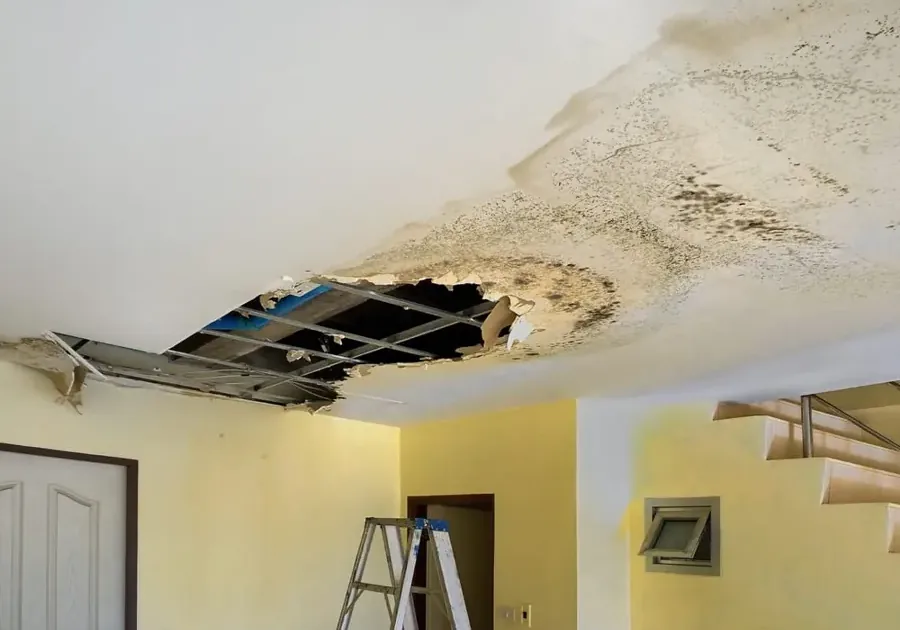 07Ceiling Leak Water DamageSagging or stained ceilings are opened, dried and checked for hidden moisture in the cavity above.Read the details
 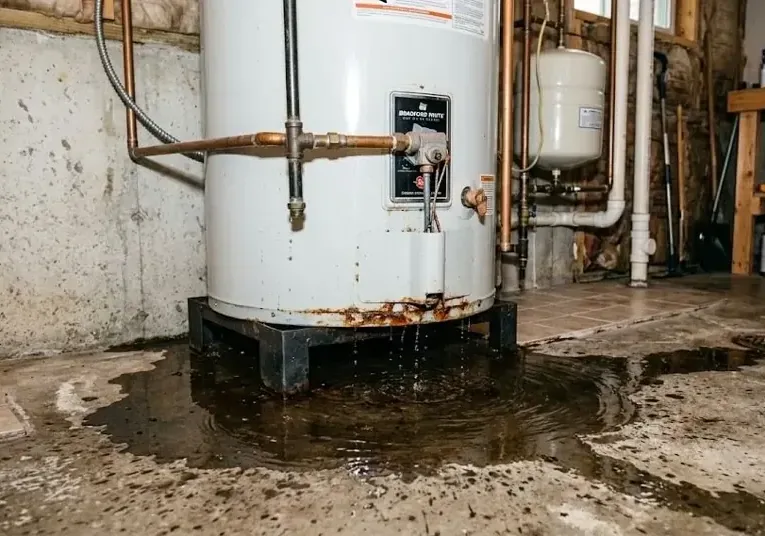 08Water Heater Leak CleanupTank failures flood closets and garages quickly, so extraction and drying start right at the source.Read the details
 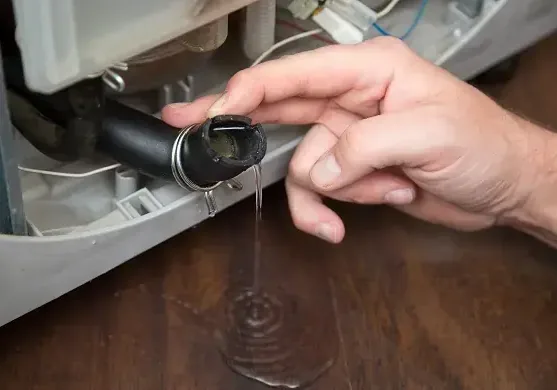 09Appliance and Supply Hose LeaksWasher, dishwasher and fridge hose failures are cleaned up before floors cup and cabinets swell.Read the details
 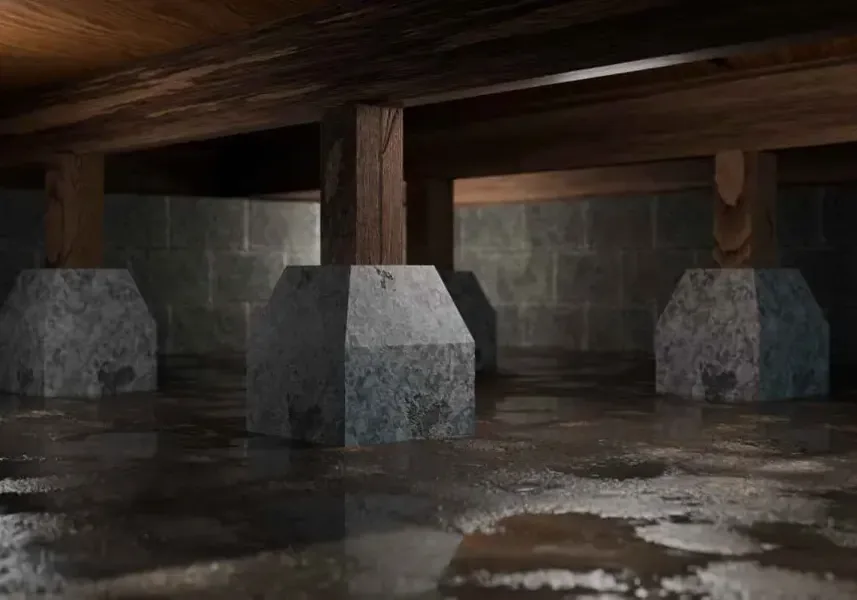 10Crawl Space Water RemovalStanding water is pumped from the crawl space, wet insulation comes out and the framing is dried.Read the details
 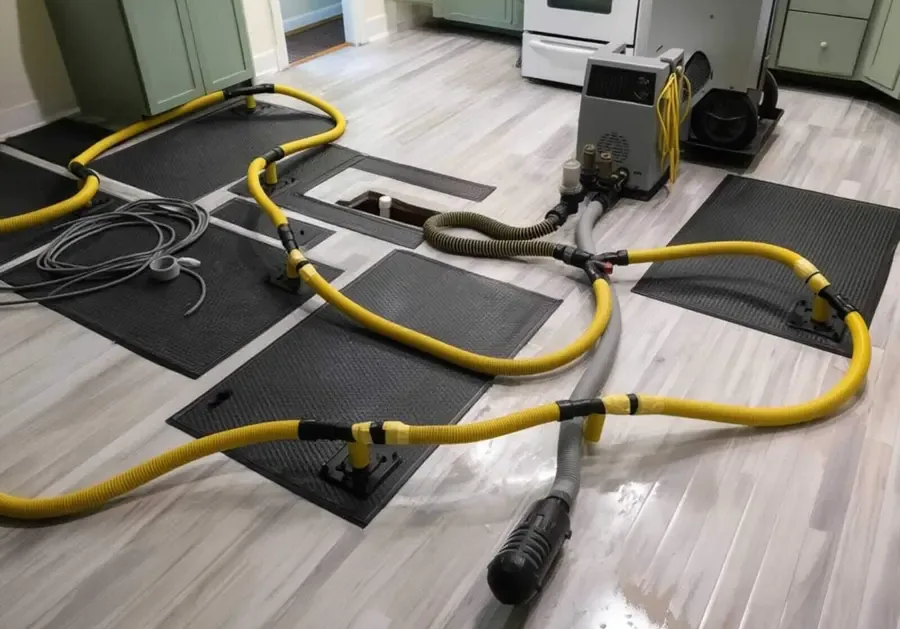 11Structural Drying and DehumidificationAir movers, dehumidifiers and daily moisture readings carry wet structures down to dry standards.Read the details
 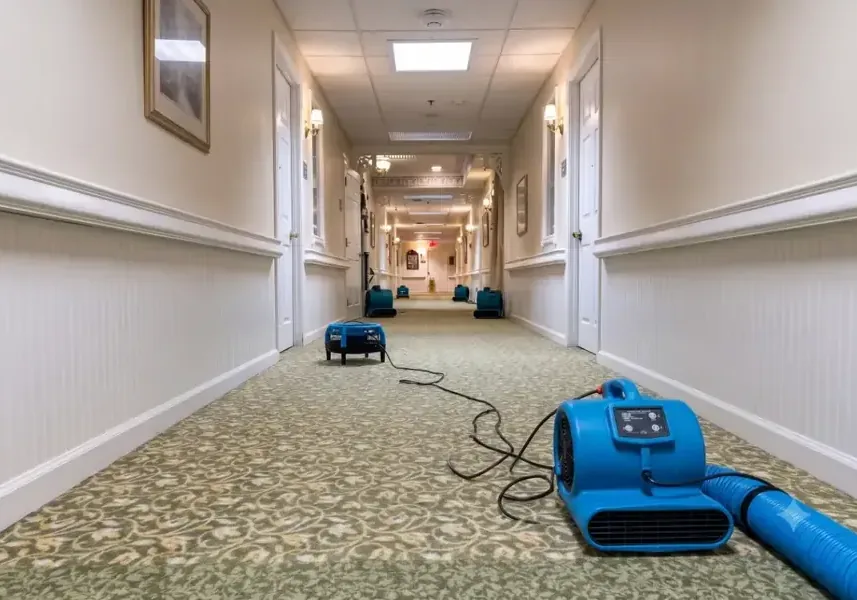 12Commercial Water DamageRetail, office and multi unit losses get phased drying plans that keep businesses working where possible.Read the details Water source unclear?Describe what is wet and where it started. The response team works out the rest on site.(888) 578-6508 Need a planning number?Four questions about the wet area, the source, the materials and the timing give a typical range.Try the cost calculator
 Clean, gray and contaminated water
Clean water
A supply pipe, a tank or a slab leak releases water that starts out clean. Quick drying lets most finishes stay.
Water heater cleanupGray water
Washer, dishwasher and fridge failures carry soap and light contamination, which calls for cleaning along with drying.
Appliance leak helpContaminated water
Storm runoff and sewage carry bacteria. Porous materials usually come out and hard surfaces get sanitized.
Storm flood cleanupMeasured work from the first visit
Each job follows a set order: stop the water, extract, open what is wet, dry with equipment and verify with readings. Skipping a step is how hidden moisture gets left behind.
- 01
Contain and extract
Standing water is pumped or vacuumed out of every wet room, and furniture is blocked or lifted off soaked floors so stains do not set.
- 02
Open and inspect
Baseboards and low drywall come off only where meters show moisture, so moving air can reach the wet cavity behind the wall.
- 03
Dry with equipment
Air movers and dehumidifiers run in a balanced layout for each room, with humidity and surface levels checked on every visit.
- 04
Verify and document
Final readings against dry standards go into a written report that the owner, landlord or adjuster can review and file.
Equipment on a typical dry-out
- Truck-mounted extraction
- LGR dehumidifiers
- Air movers
- Thermal imaging
- Pinless moisture meters
- HEPA air scrubbers
- Wet areas mapped first
- Equipment matched to water class
- Readings logged each visit
What does water damage cleanup cost?
Most Rosemead jobs fall between $1,200 and $16,000 or more. Room count, water type and how long materials stayed wet set the total, and the written scope after a moisture survey is the number to rely on.
Small leak, one room
$1,200 to $2,800
One room or hallway, Extraction and air movers, Short drying run
Several rooms affected
$3,000 to $6,000
Walls and flooring opened, Dehumidifiers added, Extended drying
Widespread or contaminated
$6,500 to $16,000+
Many rooms involved, Material removal, Sanitizing included
Insurance may cover sudden and accidental water, and a written scope with photos and readings makes the claim easier to document.
Four habits behind every finished dry-out
Multi unit awareness
Leaks in apartments and rentals can cross walls and floors, so crews check adjoining spaces for moisture before leaving.
Proof, not guesses
Readings from meters and thermal imaging show where water hides, and the same readings confirm when materials are dry.
Equipment sized to the job
Pumps, air movers and dehumidifiers are matched to the water class and the square footage that is wet.
Clear notes for claims
Daily logs, photos and readings build a clear record that adjusters, landlords and owners can follow without guessing.
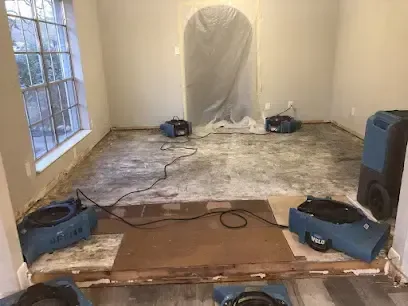
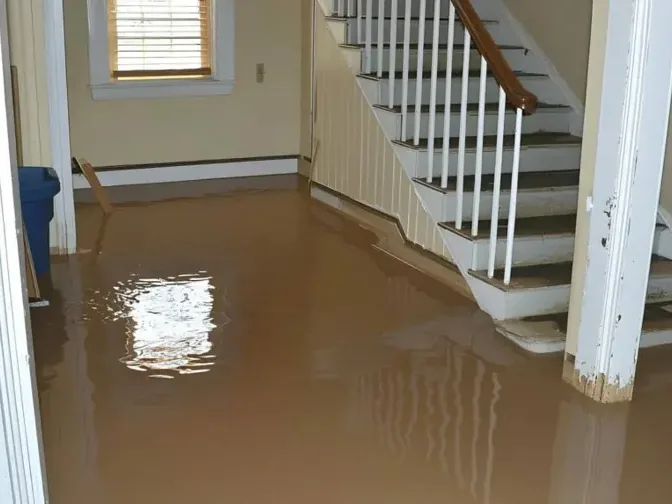
What the work looks like on site
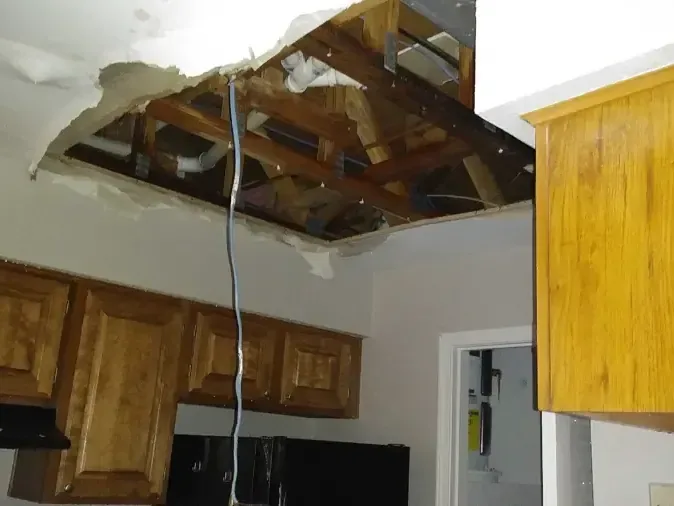
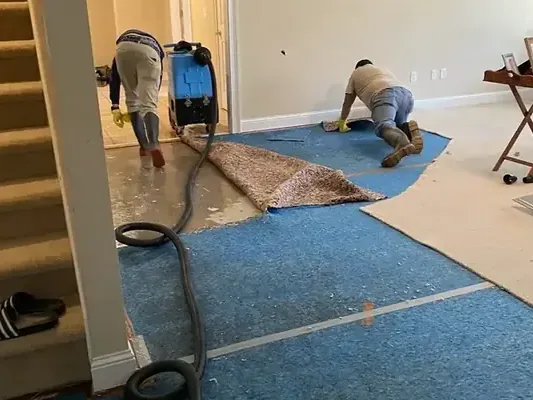
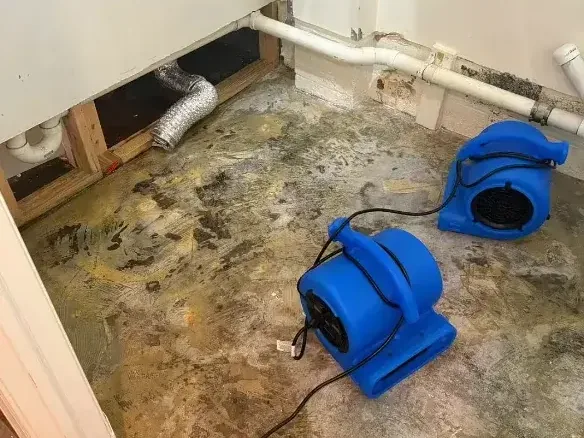
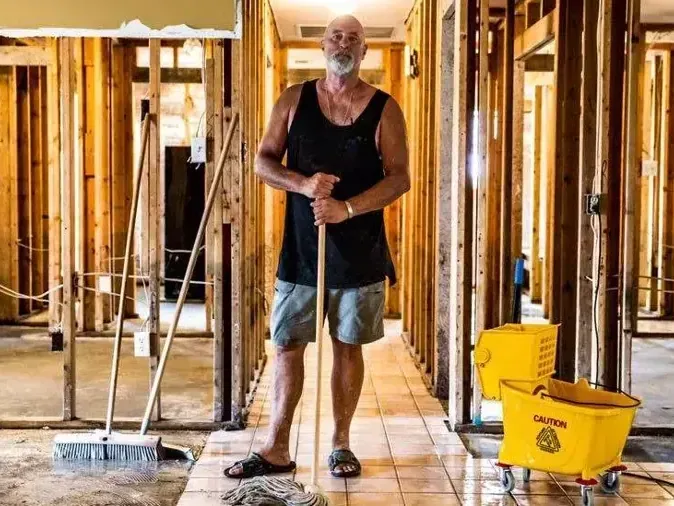
Where the drying crews work in Rosemead
Neighborhoods and corridors
Nearby cities
Call at any hour and the drying gear gets loaded
Crews cover the whole city, from homes near Savannah to the shops along Garvey Avenue and Rosemead Boulevard, whatever the hour.
Share what burst or backed up and where the water is spreading, so the crew shows up with matching pumps, air movers and moisture meters.
(888) 578-6508 Describe the water problem nowTemple City Water Damage Restoration
Rosemead, CA
Around the clock, every day
Browse the full service area listWhy storms and pipes matter here
Rosemead sits in the west San Gabriel Valley, where sudden atmospheric river rain, busy streets and dense housing all shape how a water loss starts and spreads.
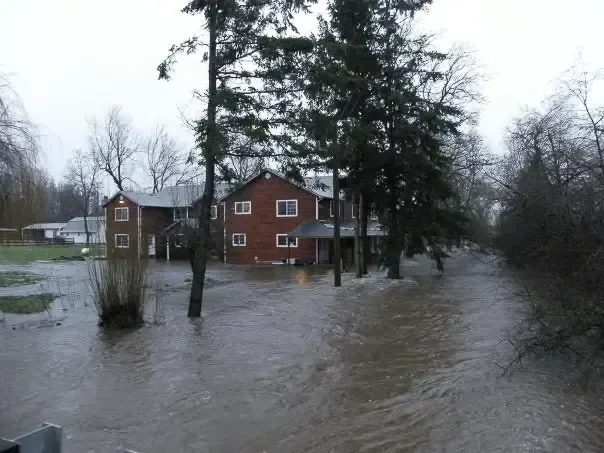
- Atmospheric river storms. On October 14, 2025 an atmospheric river hit Southern California, and a car drove through a flooded street in Rosemead. Runoff like that finds garages and ground floors.
- Months of rain in days. Across the Los Angeles area, rainfall averages just over 6 inches from November to January, so a few stormy days can deliver a season of water to roofs and yards.
- Storm water control nearby. Whittier Narrows Dam, an earthen structure built in 1957 by the U.S. Army Corps of Engineers, captures storm water for groundwater recharge, yet ordinary street runoff and roof leaks still happen.
- Water main breaks. On January 30, 2017 a water main break closed the intersection of Grand and Muscatel avenues. City crews repaired the pipe and the road, a reminder that supply failures flood streets too.
- Dense, shared housing. With 51,185 residents in a compact city and about half of occupied homes rented in 2010, a leak in one unit often reaches a neighbor.
February 2019 A large storm pushed floodwater close to overtopping Rosemead Boulevard at Whittier Narrows Dam, and the road was closed during the storm.
Questions about water damage cleanup
How fast does water damage get worse?
Materials start absorbing water right away. Drywall and carpet padding wick moisture upward, and wood floors begin to cup within a day or two, so extraction should begin once the source is stopped. Mold can start to form after a day or two of dampness.
Who pays for water damage in a rental?
It depends on the lease, the cause and each policy involved. Tenant policies usually cover belongings, while the landlord's policy covers the building. Get the cause documented and notify the landlord in writing.
Can a burst pipe wait until morning?
Active water should never wait. A split pipe can release hundreds of gallons, so shut the valve, cut power to wet areas and call for water extraction at any hour.
What does the drying process involve?
The crew extracts standing water, removes wet materials that cannot be saved, sets air movers and dehumidifiers, and takes moisture readings on every visit until the structure reaches dry standards.
Do walls always have to be opened?
Not always. Moisture meters and thermal imaging decide, and walls are opened only where water is trapped behind them, which often means a narrow strip near the baseboard.
How long does drying take?
Most jobs run several days, with readings checked on each visit. Thick materials such as hardwood, plaster and concrete hold water longer and can need extra time.
Is sewage water handled differently?
Yes. Sewage backup cleanup is contaminated work, so the crew wears protective gear, removes porous materials that touched it, and cleans and sanitizes hard surfaces before any drying equipment goes in.
Can storm water in a garage be cleaned up?
Yes. Crews pump out the runoff, remove mud and wet stored items, then dry the slab and wall bottoms. Storm water counts as contaminated, so surfaces get sanitized as well.
What should I tell dispatch on the call?
Say what failed, which rooms are wet, whether water is still flowing and whether the building is rented or owned. Those details decide the pumps, fans and paperwork the crew brings.
Water on the floor needs attention before it spreads
Describe the damage and a drying crew will plan the right equipment for it.