Sewage Backup Cleanup in Rosemead, CA
Sewage in a tub, kitchen or hallway is a health hazard, so crews in protective gear remove the contaminated water, discard porous materials it touched and sanitize every hard surface that remains.
(888) 578-6508 Get sewage cleanup moving- Protective gear on site
- Porous materials removed
- Surfaces sanitized
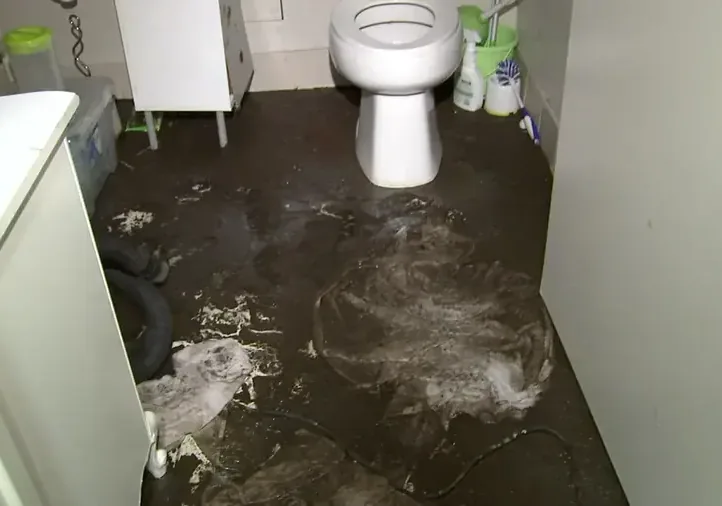
First steps when sewage backup cleanup shows up
- 1Keep everyone out
Close off the room and keep children and pets away from the water.
- 2Do not flush or run drains
More use pushes additional sewage into the home.
- 3Protect yourself if you must enter
Rubber boots and gloves help, but avoid contact with skin or eyes.
- 4Photograph from the doorway
Document the damage before any cleanup begins.
A sewage backup is far more than a wet floor. The water carries bacteria and viruses, so it is treated as contaminated from the very first moment of the loss, with children, pets and anyone sensitive kept out of the affected rooms.
How sewage backup cleanup is handled in Rosemead
- Contain the area
Plastic sheeting and entry rules keep contamination from spreading.
- Remove water and debris
Contaminated water is pumped out and soiled materials are bagged.
- Clean and sanitize
Hard surfaces are scrubbed and treated with a disinfectant.
- Dry and verify
Equipment runs until moisture readings return to normal.
What does sewage backup cleanup cost in Rosemead, CA?
Sewage backup cleanup commonly costs $2,000 to $4,500 for one bathroom and $4,500 to $9,500 across several rooms. A crawl space or whole floor can run $9,500 to $18,000 because more material is removed and hauled away.
One bathroom
$2,000 to $4,500
Water removal, Fixture area cleaned, Full sanitizing
Several rooms
$4,500 to $9,500
Flooring discarded, Drywall cut out, Air scrubbing
Crawl space or whole floor
$9,500 to $18,000
Insulation removed, Extensive disposal, Full sanitizing
Ranges are typical, not a quote: the water category, the square footage, the material class and how fast drying started move the number most. The water damage cost calculator gives a closer planning range.
What gets removed
- Carpet and padding that touched the water
- Drywall and insulation below the high water mark
- Cardboard, fabric and upholstered furniture
- Anything else porous that cannot be washed and disinfected properly
Hard surfaces like tile, concrete and sealed wood are cleaned and sanitized instead of thrown out, which keeps the rebuild smaller and the bill lower.
Clearing the drain first
Cleanup and drain clearing go together. A plumber clears or repairs the blockage first, because fresh sewage would undo the work. The crew documents the source, the extent and every removed material for the insurer, and photographs each room before and after.
Next steps
After removal and sanitizing, the room is dried the way any wet structure is, through structural drying. Neighboring rooms touched by overflow may also need water extraction. Photos taken before and after support the claim.
How sewage backup cleanup is held to a standard
Order matters: measure, extract, dry to a goal, then prove it with readings.
Dispatch at any hour
Active water is treated as urgent at 3 a.m., on a Sunday or on a holiday, the same as on a weekday morning.
Dry by the numbers
IICRC S500 sets the goal. Equipment stays until meter readings match a dry reference, not until a surface feels dry.
A file the adjuster can use
Moisture maps, daily psychrometric logs and timestamped photos taken before any demolition go into one record.
Built for valley houses
Slab floors, raised floors with crawl spaces, garage water heaters and older supply lines are routine work in valley homes.
Related water damage services
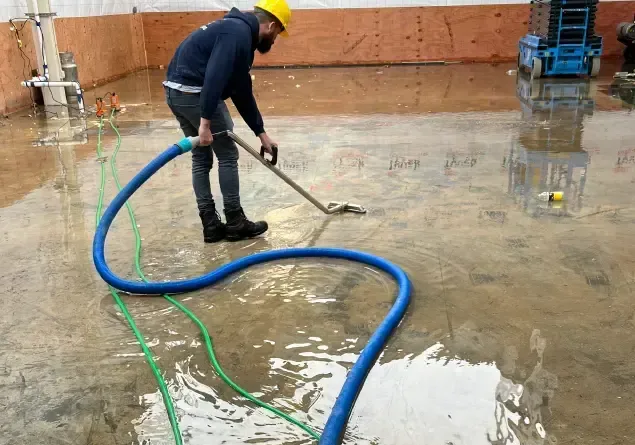 Water Extraction and Removal in RosemeadRead the details
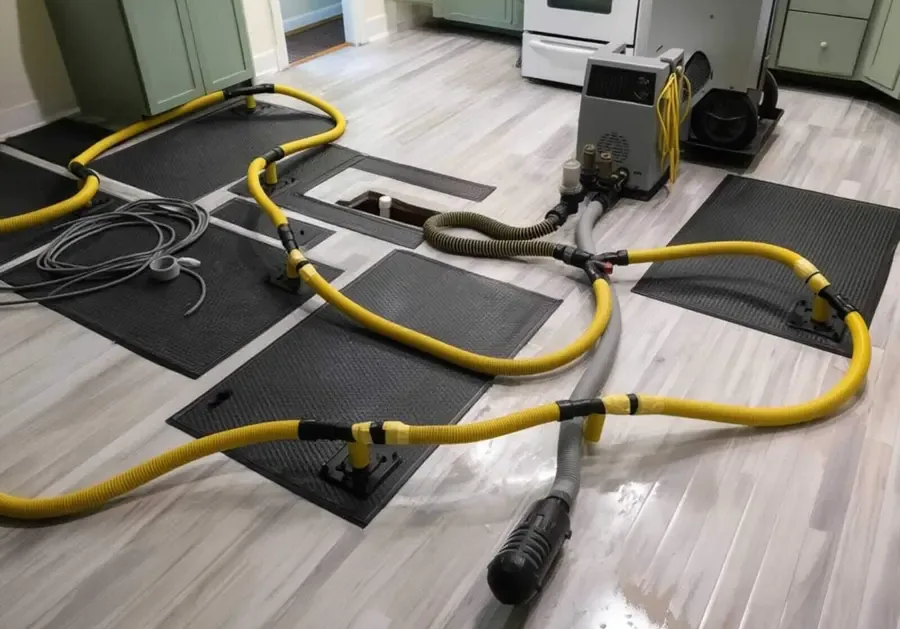 Structural Drying and Dehumidification in RosemeadRead the details
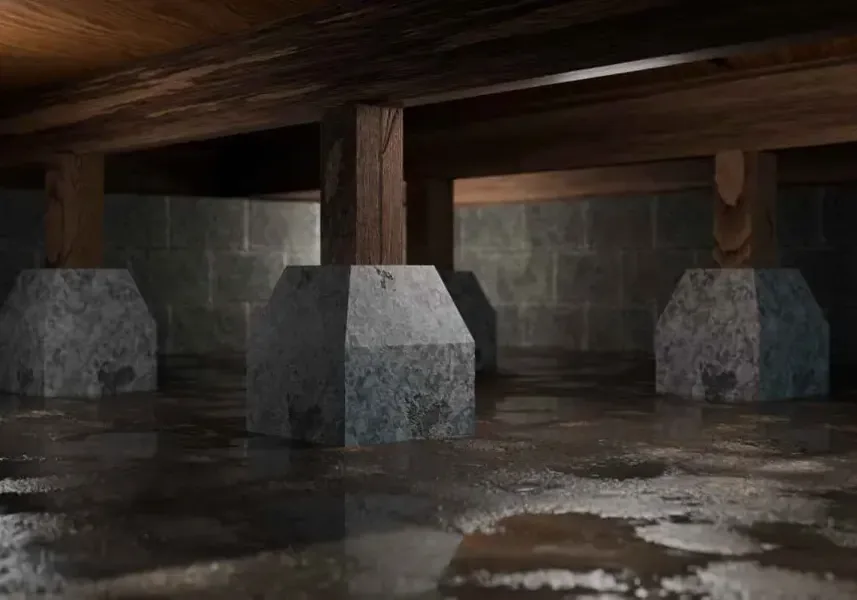 Crawl Space Water Removal in RosemeadRead the details
Sewage Backup Cleanup in Temple CityRead the details
Water damage restoration in RosemeadRead the details
Crawl Space Water Removal in RosemeadRead the details
Sewage Backup Cleanup in Temple CityRead the details
Water damage restoration in RosemeadRead the details Service area: Rosemead, CA
Crews handle backups in Rosemead houses, apartment buildings and commercial spaces. Each job starts by identifying where the contaminated water entered, whether a fixture, a drain or a pipe outside the building, and who must be called to clear it.
The same service nearby: sewage backup cleanup in Temple City, Monterey Park, Arcadia.
Sewage Backup Cleanup: questions and answers
Is sewage water dangerous to touch?
Yes. It can carry bacteria and viruses, so skin contact should be avoided and cleanup is best left to crews with gloves, boots and respirators.
Can furniture be saved?
Hard, nonporous pieces can be disinfected. Upholstered furniture, mattresses and anything soft that absorbed the water is usually discarded.
Who clears the clog that caused it?
A plumber clears or repairs the drain, and the cleanup crew works around that visit so the area stays safe.
Will insurance pay for a backup?
Many policies need a special water backup endorsement. Check the policy, photograph everything and report the loss quickly.
How are the smells removed?
By removing the source materials and sanitizing, then using air scrubbers and ventilation. Masking an odor without cleaning never solves it.
Sewage in the house is a health risk, not just a mess to mop.
Protective gear, removal of soaked materials and thorough sanitizing in every affected room.