Sewage Backup Cleanup in Arcadia, CA
Sewage in a bathroom, laundry area or hallway is a health matter, not just a mess. The response team contains the area, removes what the water touched and sanitizes before any drying begins.
(888) 578-6508 Sewage coming up? Call right away- Contained work area
- Contaminated materials removed
- Sanitizing before drying
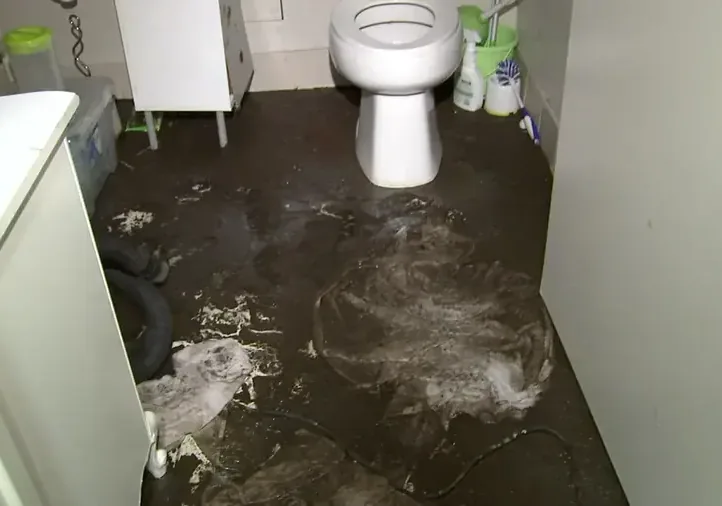
First steps when sewage backup cleanup shows up
- 1Stay out of the water
Keep children, pets and anyone with health concerns away from the affected rooms.
- 2Stop using drains
Avoid flushing and running water until the cause is cleared.
- 3Wear protection
Skip bare hands and bare feet near the sewage.
- 4Note the spread
Photograph the rooms and items touched before any cleanup.
Sewage carries bacteria, so it is handled differently from a clean leak. Anything porous it touched, such as carpet, pad, insulation and lower drywall, usually cannot be saved.
How sewage backup cleanup is handled in Arcadia
- Contain the area
Plastic sheeting and filtered air keep the contamination in one place.
- Remove the porous
Carpet, pad and wet drywall that sewage reached are cut out and bagged.
- Clean and sanitize
Surfaces and framing are scrubbed and treated with antimicrobial products.
- Dry and verify
Equipment runs until readings show the structure is dry.
What does sewage backup cleanup cost in Arcadia, CA?
Sewage backup cleanup in local homes usually costs about $2,000 to $4,500 for one bathroom and $4,500 to $9,500 once several rooms are touched. Crawl space or whole floor cases run higher because more material comes out.
One bathroom
$2,000 to $4,500
Containment setup, Flooring removal, Sanitizing
Several rooms
$4,500 to $9,500
Wider material removal, Air filtration, Drying setup
Crawl space or whole floor
$9,500 to $18,000
Large scale material removal, Heavy plastic containment, Extended drying
Ranges are typical, not a quote: the water category, the square footage, the material class and how fast drying started move the number most. The water damage cost calculator gives a closer planning range.
What the cleanup includes
- Plastic barriers and air filtration keep the contamination in one area.
- Affected carpet, pad and drywall are cut out, bagged and carried away.
- Hard surfaces and framing are cleaned, then treated with antimicrobial products.
- Drying equipment goes in only after the contaminated materials are gone.
Everyone stays out of the work area until the crew finishes, including children and pets.
Why waiting makes it worse
Sewage soaks deeper the longer it sits, and the odor moves through the whole house. Early removal limits how many materials are lost. Rooms next to the backup are checked as well, because water can travel under walls and doors into hallways, closets and bedrooms that look clean. Hard surfaces can often be cleaned and kept, while porous items are the ones lost. When liquid is still on the floor, water extraction comes first.
After the sanitizing
The team dries what remains with air movers and dehumidifiers, then takes readings to confirm framing and subfloors are dry. The Arcadia hub covers related water services.
How sewage backup cleanup is held to a standard
Order matters: measure, extract, dry to a goal, then prove it with readings.
Dispatch at any hour
Active water is treated as urgent at 3 a.m., on a Sunday or on a holiday, the same as on a weekday morning.
Dry by the numbers
IICRC S500 sets the goal. Equipment stays until meter readings match a dry reference, not until a surface feels dry.
A file the adjuster can use
Moisture maps, daily psychrometric logs and timestamped photos taken before any demolition go into one record.
Built for valley houses
Slab floors, raised floors with crawl spaces, garage water heaters and older supply lines are routine work in valley homes.
Related water damage services
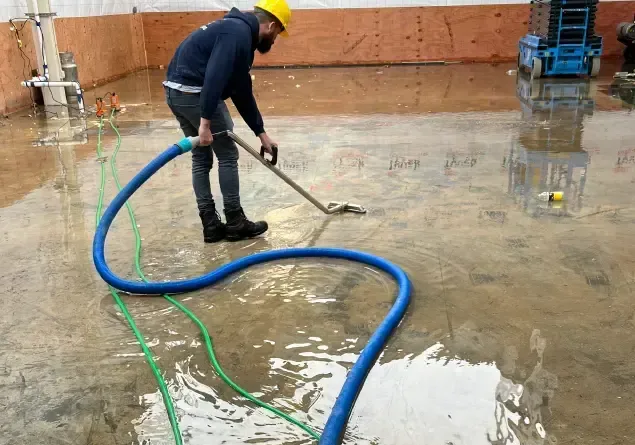 Water Extraction and Removal in ArcadiaRead the details
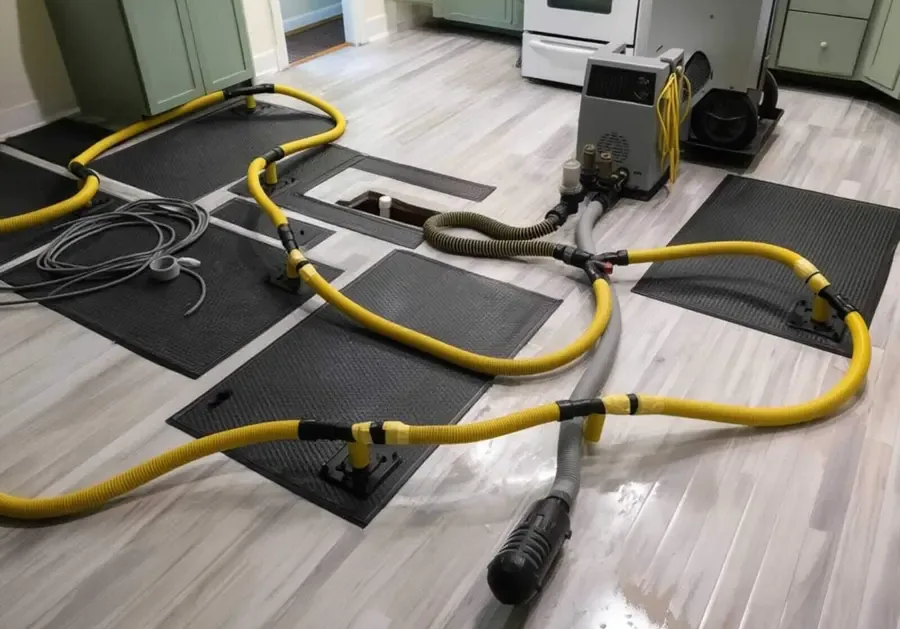 Structural Drying and Dehumidification in ArcadiaRead the details
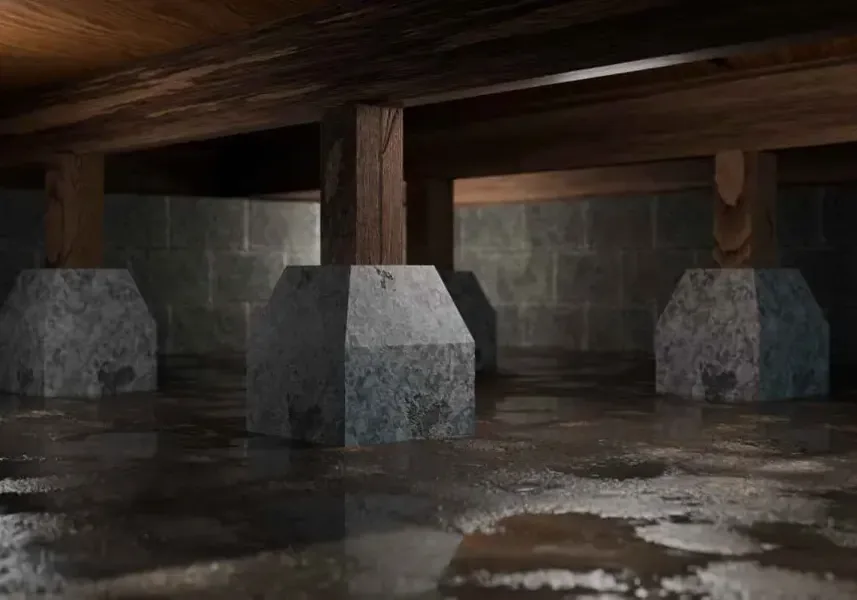 Crawl Space Water Removal in ArcadiaRead the details
Sewage Backup Cleanup in Temple CityRead the details
Water damage restoration in ArcadiaRead the details
Crawl Space Water Removal in ArcadiaRead the details
Sewage Backup Cleanup in Temple CityRead the details
Water damage restoration in ArcadiaRead the details Service area: Arcadia, CA
The City of Arcadia provides sewer service, and the cleanup inside the home is the same whether the backup began at a fixture or farther down the drain. Crews handle bathrooms, laundry rooms and garages anywhere in town.
The same service nearby: sewage backup cleanup in Temple City, Sierra Madre, Rosemead.
Sewage Backup Cleanup: questions and answers
Is sewage backup dangerous to touch?
Yes. Sewage can carry bacteria and viruses, so skin contact, splashes and breathing the spray from cleanup should be avoided until trained crews handle it.
Can carpet be saved after a sewage backup?
Rarely. Porous materials that soak up sewage are usually removed, since cleaning them cannot reliably reach the contamination held deep inside.
Why are drains sometimes slow before a backup?
A slowing drain, gurgling toilet or water rising in a tub can signal a blockage ahead of the backup, so these signs deserve prompt attention.
Should the drain be cleared first?
Once the cause is cleared, cleanup can begin. A plumber handles the blockage, and the restoration crew handles the contaminated area.
How long does sewage cleanup take?
Removal and sanitizing usually take a day or two of work, followed by several days of drying. Larger losses take longer, especially if framing and subfloors are soaked.
Backup spreading through the house? Get it contained and removed.
Containment, careful removal and sanitizing protect the rest of the home from further spread and lingering odor.