Water Extraction and Removal in Arcadia, CA
Standing water spreads into baseboards, cabinet bases and subfloors fast. Pumps and extractors pull it out of Arcadia homes first, so the drying team can start on structure that is still salvageable.
(888) 578-6508 Water on the floor? Call to start pumping- Pumps for deep water
- Carpet and pad extraction
- Moisture checked afterward
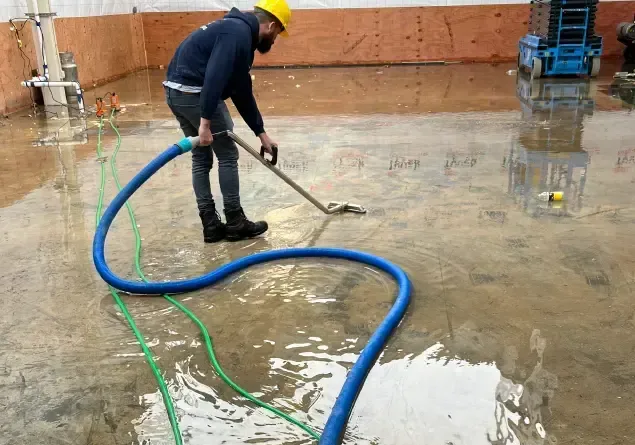
First steps when water extraction and removal shows up
- 1Stop the source
Close the main valve or the fixture valve so no more water reaches the floor.
- 2Keep power off
Leave breakers off for soaked rooms and stay away from plugged-in devices near the water.
- 3Lift small items
Move rugs, shoes and boxes to dry ground before they soak through.
- 4Photograph the water
Take pictures of the depth and the damage before anything gets moved.
Extraction is the first job on almost every flood, leak or overflow, because each hour that water sits it climbs into baseboards, cabinet bases and subfloors. Large-lot estate homes in Upper Rancho and mid-century houses in Baldwin Stocker both need the water pulled out before it travels from room to room.
How water extraction and removal is handled in Arcadia
- Read the water
Depth, source and water type are checked first so the right method is used.
- Pump the bulk
Submersible pumps clear deep water before extractors take over.
- Extract the rest
Wands and portable units pull water from carpet, pad and floor seams.
- Hand off to drying
Readings set the air mover and dehumidifier plan for whatever stays wet.
What does water extraction and removal cost in Arcadia, CA?
Water extraction in local homes usually runs about $800 to $2,000 for one or two rooms and $2,000 to $4,500 when several rooms are wet. Contaminated water pushes the total higher because removal and disposal take more care.
One or two rooms
$800 to $2,000
Standing water pumped out, Carpet extraction, Moisture readings
Several rooms
$2,000 to $4,500
Pad removal, Wall base extraction, Longer drying setup
Contaminated water
$4,500 to $9,000
Sanitizing steps, Material disposal, Protective containment
Ranges are typical, not a quote: the water category, the square footage, the material class and how fast drying started move the number most. The water damage cost calculator gives a closer planning range.
How the water comes out
- Submersible pumps clear deep water from garages and low rooms first.
- Truck-mounted or portable extractors lift water from carpet, pad and hard floors.
- Wands and squeegee tools reach under cabinet toe kicks and along wall bases.
- Moisture meters confirm what still holds water before the drying equipment is set.
The crew works from the deepest water outward, so the largest volume leaves early and dry areas stay protected.
Carpet, pad and hard floors
Carpet often dries in place when the water was clean and caught early. Pad usually has to be cut out and thrown away, since it soaks up water and takes days to dry. Wood, tile and laminate are extracted and then checked for water trapped beneath them.
What comes after extraction
Pulling the water out is only part of the job. Walls, framing and subfloors still hold moisture the eye cannot see, so air movers and dehumidifiers follow, as laid out under structural drying. Waiting a day or two gives mold a chance to start, which is why extraction is never left for later. The Arcadia hub lists the other water services.
How water extraction and removal is held to a standard
Order matters: measure, extract, dry to a goal, then prove it with readings.
Dispatch at any hour
Active water is treated as urgent at 3 a.m., on a Sunday or on a holiday, the same as on a weekday morning.
Dry by the numbers
IICRC S500 sets the goal. Equipment stays until meter readings match a dry reference, not until a surface feels dry.
A file the adjuster can use
Moisture maps, daily psychrometric logs and timestamped photos taken before any demolition go into one record.
Built for valley houses
Slab floors, raised floors with crawl spaces, garage water heaters and older supply lines are routine work in valley homes.
Related water damage services
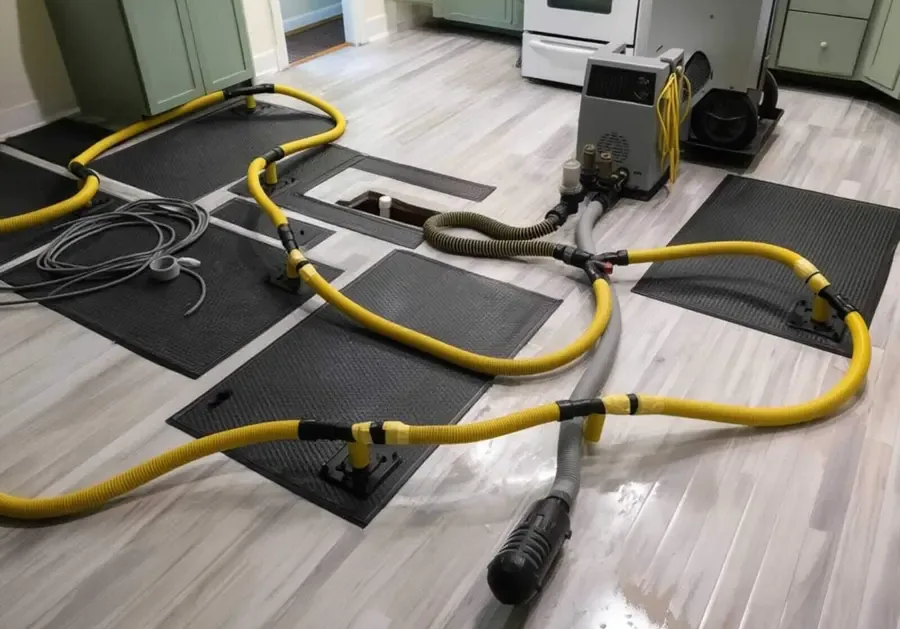 Structural Drying and Dehumidification in ArcadiaRead the details
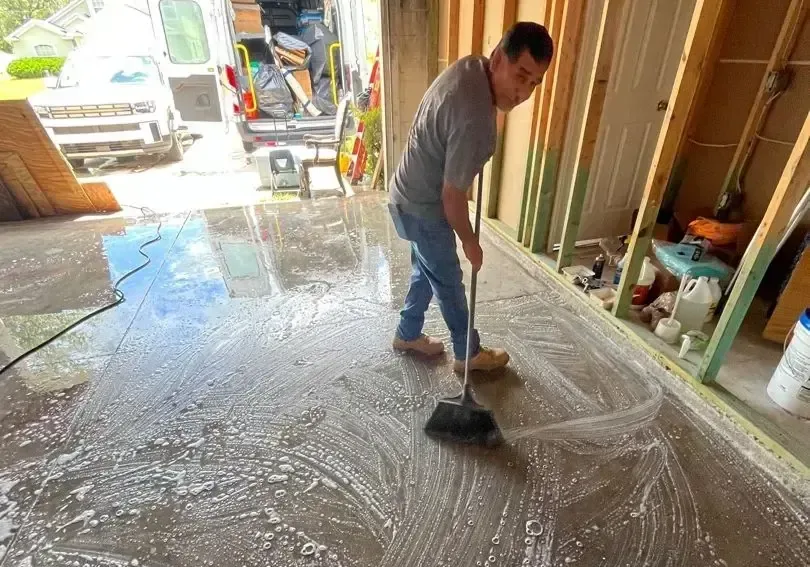 Storm Water and Street Flooding Cleanup in ArcadiaRead the details
 Burst and Pinhole Pipe Leaks in ArcadiaRead the details
Water Extraction and Removal in Temple CityRead the details
Water damage restoration in ArcadiaRead the details
Burst and Pinhole Pipe Leaks in ArcadiaRead the details
Water Extraction and Removal in Temple CityRead the details
Water damage restoration in ArcadiaRead the details Service area: Arcadia, CA
Extraction runs across Arcadia, from the large lots of Upper Rancho to the postwar streets of Baldwin Stocker and the busy blocks around the West Arcadia Hub. Crews reach most addresses by way of Foothill Boulevard and Huntington Drive.
The same service nearby: water extraction and removal in Temple City, Sierra Madre, Rosemead.
Water Extraction and Removal: questions and answers
How fast should standing water be removed?
As soon as it is safe. Water soaks into drywall, cabinets and subfloors within hours, and the longer it sits the more material has to be torn out later.
Can a wet vac handle a flooded room?
A shop vacuum helps with a small spill. Anything deeper than a puddle needs pumps and extractors, since a household vacuum cannot keep up with that volume.
Does carpet have to be thrown away?
Not always. Clean water caught early often lets carpet be dried in place, while the pad underneath is usually replaced because it holds water.
Is extraction the same as drying?
No. Extraction removes liquid water. Drying then pulls out moisture still sitting in framing, subfloors and walls, and both are needed to stop mold from starting.
Is it safe to walk through the water?
Not until power to the wet areas is off. Water near outlets, appliances or cords can carry current, and sewage in the water adds a health concern.
Floors soaked and water still pooling? Start the removal now.
Pumps, extractors and wands take out the bulk of the water before drying equipment goes in.