Storm Water and Street Flooding Cleanup in Arcadia, CA
Arcadia sits at the base of the San Gabriel Mountains, and heavy rain can push muddy water toward garages and doorways. The restoration team pumps it out, removes soaked materials and dries the structure.
(888) 578-6508 Storm water inside the house? Call now- Muddy water pumped out
- Garages and low rooms
- Soaked materials removed
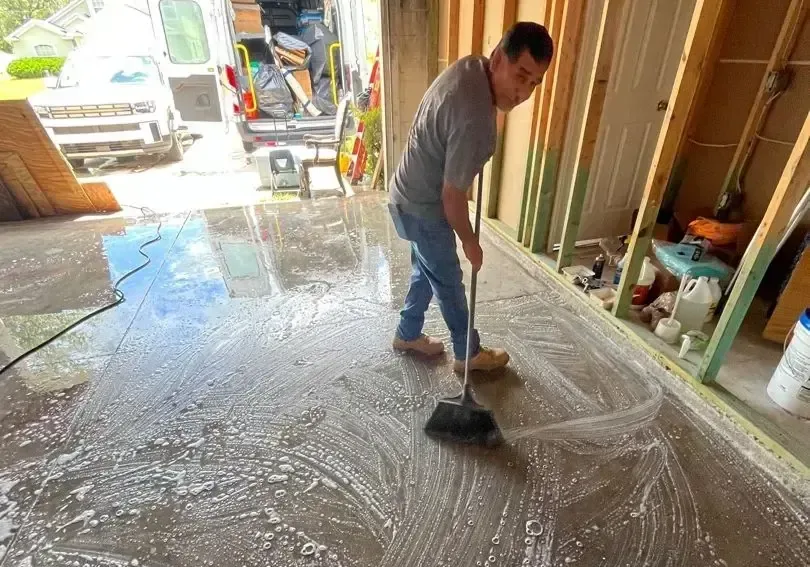
First steps when storm water and street flooding cleanup shows up
- 1Stay out of floodwater
Mud and runoff can hide bacteria, sharp debris and electrical hazards.
- 2Turn off power
Cut breakers for wet rooms before anyone enters the area.
- 3Move valuables up
Lift papers, electronics and small furniture off wet floors and onto higher shelves.
- 4Photograph the water
Record the waterline and the damage for a claim before any cleanup starts.
Stormwater is rarely clean. It carries mud, yard debris and bacteria, so floodwater that enters a home is treated as contaminated until proven otherwise. Heavy rain at the foot of the mountains is the usual cause.
How storm water and street flooding cleanup is handled in Arcadia
- Walk the property
Water depth, entry points and mud are noted before work begins.
- Pump and extract
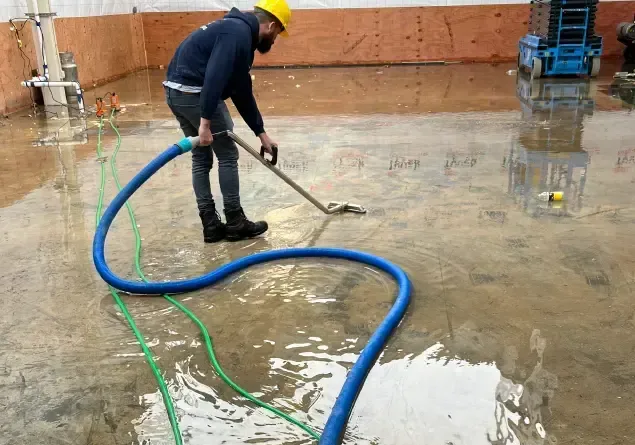
Pumps and extractors clear the water from garage and rooms.
- Remove the soaked
Pad, insulation and ruined drywall are cut out and cleaned up.
- Dry the structure
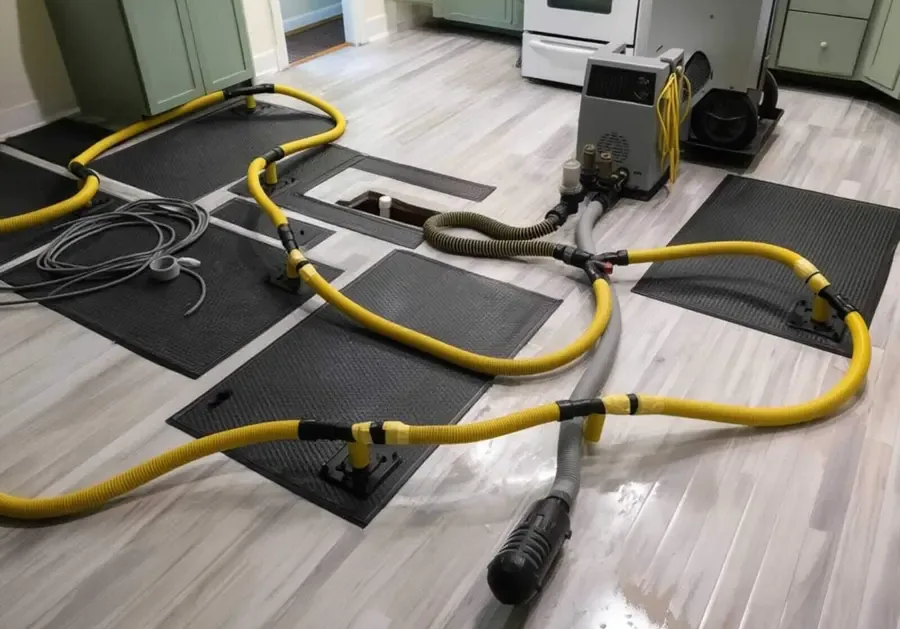
Air movers and dehumidifiers run until readings are normal.
What does storm water and street flooding cleanup cost in Arcadia, CA?
Storm water cleanup in local homes usually costs about $1,800 to $4,000 for a garage or one room and $4,000 to $9,000 when several rooms take water. Widespread intrusion runs higher.
Garage or one room
$1,800 to $4,000
Pump-out, Mud removal, Drying fans
Several rooms
$4,000 to $9,000
Pad removal, Wall drying, Dehumidifiers
Widespread intrusion
$9,000 to $20,000
Most flooring out, Extended drying, Contaminated cleanup
Ranges are typical, not a quote: the water category, the square footage, the material class and how fast drying started move the number most. The water damage cost calculator gives a closer planning range.
Where the water goes
- Garages take water first, since the floor sits near the driveway.
- Entry doors and sliding doors let it reach carpet and wood floors.
- Water wicks up drywall and into cabinet bases within hours.
- Mud left behind dries into a crust that holds moisture and odor.
Moving quickly limits how much material has to be replaced, and it keeps wet drywall from wicking higher up the wall. Homes with attached garages often see water reach interior doorways during the same storm.
Cleanup steps
Pumps clear the standing water, then extractors and squeegees work the floors. Mud is shoveled and washed out, soaked pad and insulation are removed, and surfaces are cleaned before drying equipment goes in. Water extraction comes first in nearly every storm job.
Drying and rebuilding
Air movers and dehumidifiers pull moisture from walls and subfloors, and readings decide when the equipment comes out. The Arcadia hub points to the other services that often go with storm damage.
How storm water and street flooding cleanup is held to a standard
Order matters: measure, extract, dry to a goal, then prove it with readings.
Dispatch at any hour
Active water is treated as urgent at 3 a.m., on a Sunday or on a holiday, the same as on a weekday morning.
Dry by the numbers
IICRC S500 sets the goal. Equipment stays until meter readings match a dry reference, not until a surface feels dry.
A file the adjuster can use
Moisture maps, daily psychrometric logs and timestamped photos taken before any demolition go into one record.
Built for valley houses
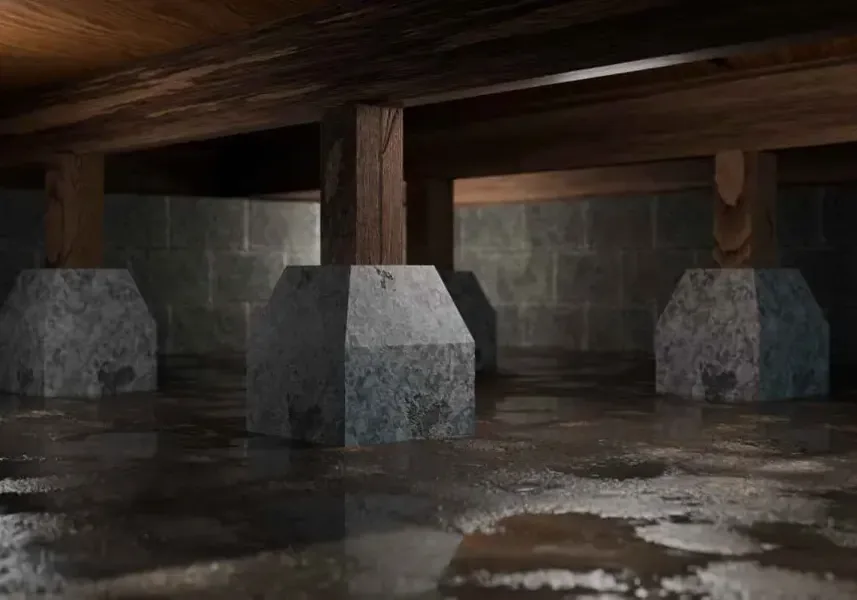
Slab floors, raised floors with crawl spaces, garage water heaters and older supply lines are routine work in valley homes.
Related water damage services
 Water Extraction and Removal in ArcadiaRead the details
 Structural Drying and Dehumidification in ArcadiaRead the details
 Crawl Space Water Removal in ArcadiaRead the details
Storm Water and Street Flooding Cleanup in Temple CityRead the details
Water damage restoration in ArcadiaRead the details
Crawl Space Water Removal in ArcadiaRead the details
Storm Water and Street Flooding Cleanup in Temple CityRead the details
Water damage restoration in ArcadiaRead the details Service area: Arcadia, CA
Storm cleanup covers all of Arcadia, from the foothill side near the San Gabriel Mountains to the flatter blocks around Huntington Drive and Baldwin Avenue. No two homes flood alike, so each job starts with a walkthrough.
The same service nearby: storm water and street flooding cleanup in Temple City, Sierra Madre, Rosemead.
Storm Water and Street Flooding Cleanup: questions and answers
Is stormwater in the house safe?
No. Floodwater picks up soil, chemicals and bacteria on its way, so it should be treated as contaminated and kept off skin and out of the air.
What should be removed first?
Standing water and anything porous that soaked it up, such as carpet pad and insulation, since those hold moisture and spread odor.
Can a garage floor just dry on its own?
Concrete dries slowly and can trap moisture under stored items. Removing the water and using fans and dehumidifiers speeds it up.
Does the cleanup cover mud outside?
Cleanup focuses on the inside of the home. Yard grading and drainage fixes belong to landscape or drainage contractors.
How does insurance treat storm flooding?
Coverage varies by policy, and flood damage is often separate from standard homeowners coverage, so read the policy and photograph everything.
Mud and water inside after the rain? Start the cleanup.
Pumps, extractors and drying equipment take the storm water out of the structure.