Ceiling Leak Water Damage in Temple City, CA
A brown ring or a soft, sagging spot overhead usually means a bathroom drain, a supply line, an attic air handler or an upstairs unit is leaking, so the restoration crew finds the source and dries the ceiling from above.
(888) 578-6508 Brown ring spreading overhead? Call dispatch- 24/7 ceiling leak response
- Safe drywall opening
- Joist and cavity drying
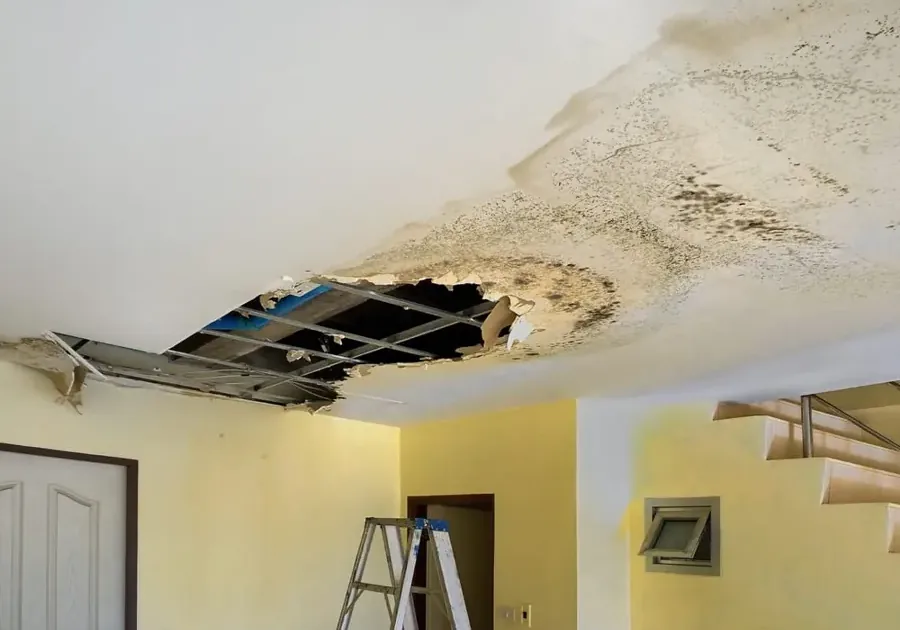
First steps when ceiling leak water damage shows up
- 1Stop the source above
Shut the fixture or the main valve if the source is known.
- 2Stay clear of sagging spots
Keep people and pets out from under a bulging ceiling.
- 3Switch off ceiling fixtures
Turn off breakers for lights and fans near the wet area.
- 4Protect what is below
Move furniture and electronics, then photograph the ceiling.
A ceiling leak is different from a roof leak. The water comes from inside the house: a shower pan, a toilet seal, a supply line in the attic, a clogged air conditioner condensate line or a neighbor's unit in a condo or apartment building. It shows up as a stain, peeling paint or drywall that sags and feels soft.
How ceiling leak water damage is handled in Temple City
- Locate the leak
Thermal imaging traces the wet area back to its source.
- Open safely
Sagging or saturated drywall is cut out under control.
- Dry the cavity
Joists and remaining drywall are dried with air and LGR units.
- Verify and record
Readings confirm dry and the file records every step.
What does ceiling leak water damage cost in Temple City, CA?
Ceiling leak water damage usually runs about $900 to $2,500 for one stained area, $2,500 to $5,500 when drywall and insulation come out and more when several rooms are involved. Ceiling area and materials removed drive the number.
One stained area
$900 to $2,500
Leak tracing, In-place drying, Moisture readings
Drywall opened
$2,500 to $5,500
Sagging drywall removed, Insulation out, Cavity drying
Several rooms
$5,500 to $11,000
Multiple ceilings opened, Walls checked below, Extended drying
Ranges are typical, not a quote: the water category, the square footage, the material class and how fast drying started move the number most. The water damage cost calculator gives a closer planning range.
Finding the source
The crew uses thermal imaging and moisture meters to follow the wet area back to its source without tearing the whole ceiling open. In single-story houses the attic is checked for air handlers, ducts and supply lines. In two-story homes and apartment buildings, the bath or kitchen above is usually the starting point.
When drywall comes down
- Drywall that sags or holds pooled water is opened safely before it falls
- Ceilings that are only damp can often dry in place
- Wet insulation above the ceiling is removed
- Joists and the cavity are dried with directed air and dehumidifiers
How ceiling leak water damage is held to a standard
Order matters: measure, extract, dry to a goal, then prove it with readings.
Dispatch at any hour
Active water is treated as urgent at 3 a.m., on a Sunday or on a holiday, the same as on a weekday morning.
Dry by the numbers
IICRC S500 sets the goal. Equipment stays until meter readings match a dry reference, not until a surface feels dry.
A file the adjuster can use
Moisture maps, daily psychrometric logs and timestamped photos taken before any demolition go into one record.
Built for valley houses
Slab floors, raised floors with crawl spaces, garage water heaters and older supply lines are routine work in valley homes.
Related water damage services
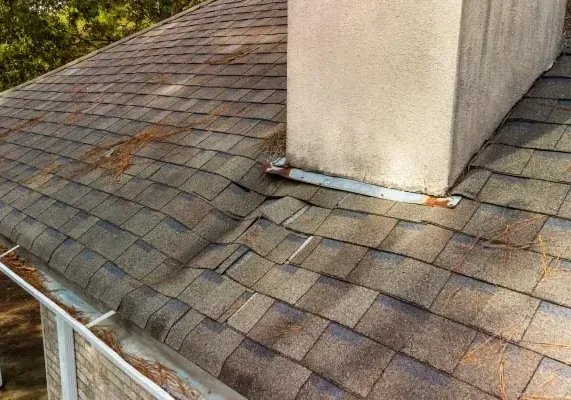 Roof Leak Water DamageRead the details
 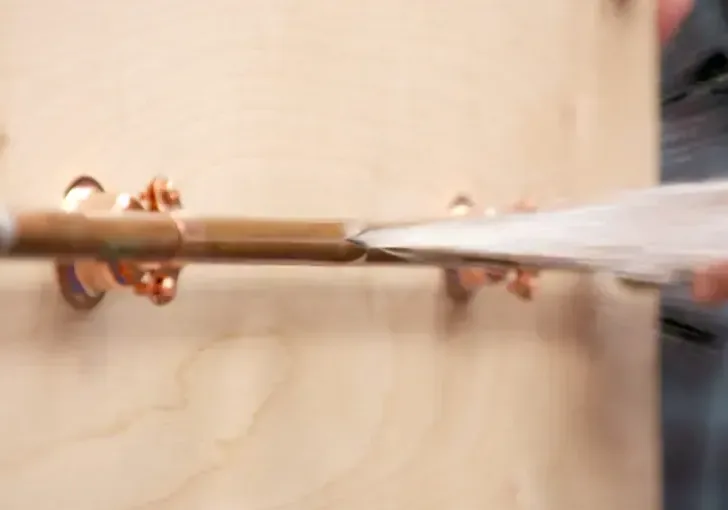 Burst and Pinhole Pipe LeaksRead the details
 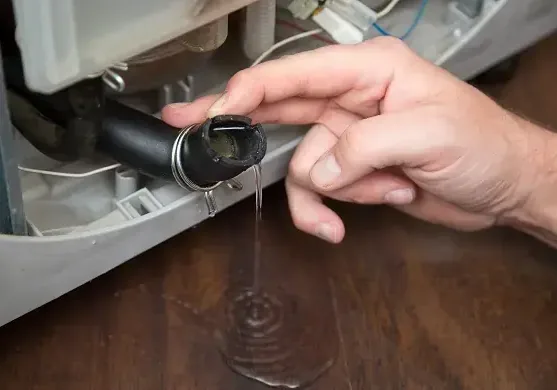 Appliance and Supply Hose LeaksRead the details
 Service area: Temple City, CA
The restoration crew covers ZIP 91780 from Las Tunas Drive and the blocks around the park out to Rosemead Boulevard, Baldwin Avenue, Live Oak Avenue, Golden West Avenue and the streets that drain toward the Eaton Wash channel.
Nearby coverage reaches Arcadia, Rosemead, San Gabriel, San Marino, Sierra Madre, Monterey Park.
Ceiling Leak Water Damage: questions and answers
What causes ceiling leak water damage inside a house?
Shower pans, toilet seals, attic supply lines, air conditioner condensate lines and upstairs units are the most common sources.
Can a stained ceiling be dried instead of replaced?
Often yes, if it is caught early and the drywall is firm. Sagging, crumbling or repeatedly soaked drywall is replaced.
Is a sagging ceiling dangerous?
It can be. Water-heavy drywall can fall without warning, so keep people out from under it until it is opened safely.
How long does ceiling leak drying take?
Most ceilings and joist cavities dry in 2 to 4 days once the source is stopped and the cavity is opened.
Who pays when the leak comes from a unit upstairs?
It depends on the policies and the building rules. A clear moisture map and photos help the insurers sort it out.
Ceiling leaking from inside the house? Get it traced and dried.
Leak tracing, safe drywall opening and cavity drying, documented for the claim.