Burst and Pinhole Pipe Leaks in Arcadia, CA
A split pipe can put water through a wall, a floor and the ceiling below in a short time. The first move is the main valve, then the extraction crew removes the water and dries what it reached.
(888) 578-6508 Pipe leaking inside the wall? Call now- Valve shutoff first
- Wall and floor drying
- Hidden leaks traced
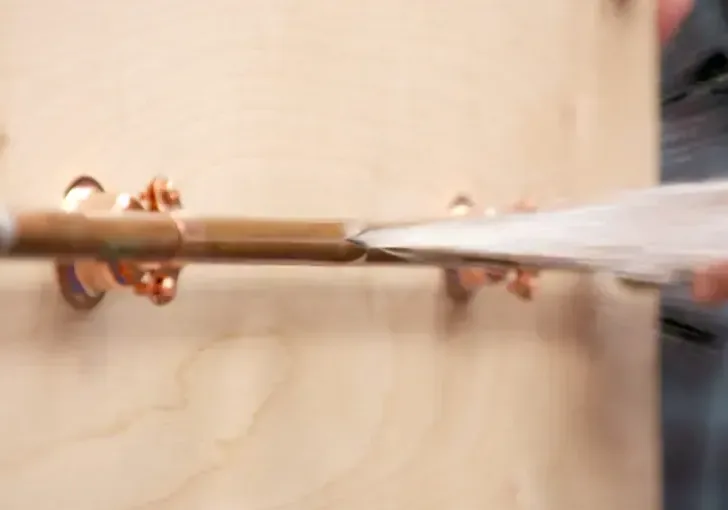
First steps when burst and pinhole pipe leaks shows up
- 1Close the main valve
Shut off the water to the house or to the fixture before anything else.
- 2Switch off nearby power
Turn off circuits for wet rooms if water reached outlets.
- 3Open drains for relief
Run a faucet downstairs only if a plumber advises it.
- 4Photograph the damage
Capture the wet areas and the pipe before cleanup begins.
A burst pipe floods fast, while a pinhole leak can soak a wall for weeks before a stain appears. Either way the water has to be stopped first and the wet materials dried before they swell, sag or grow mold.
How burst and pinhole pipe leaks is handled in Arcadia
- Trace the water
Meters and a thermal camera show how far the water spread.
- Remove the wet
Standing water, pad and soaked insulation are taken out.
- Open and dry
Wall and floor sections are opened so air can move through.
- Verify dryness
Daily readings confirm when equipment can be removed.
What does burst and pinhole pipe leaks cost in Arcadia, CA?
Burst and pinhole pipe leak cleanup in local homes usually runs about $1,500 to $3,500 for one wall and room and $3,500 to $7,500 when several rooms are wet. Ceilings and floors involved push it higher.
One wall and room
$1,500 to $3,500
Extraction, Wall opening, Drying setup
Several rooms
$3,500 to $7,500
Wider material removal, More air movers, Dehumidifiers
Ceilings and floors
$7,500 to $15,000
Ceiling drywall out, Flooring removal, Extended drying
Ranges are typical, not a quote: the water category, the square footage, the material class and how fast drying started move the number most. The water damage cost calculator gives a closer planning range.
Stop it, then remove it
- Close the main valve, or the fixture valve if one controls the leaking pipe.
- Extract standing water from floors and carpet right away.
- Pull baseboards and cut small drywall openings to reach wet cavities.
- Check the ceiling below for water traveling down through the floor.
A plumber repairs the pipe itself. Restoration starts once the water has stopped flowing.
Drying the damage
Wet insulation and soaked drywall come out, and structural drying equipment runs until readings match dry material. When water reached the room below, ceiling leak cleanup is part of the plan too.
How burst and pinhole pipe leaks is held to a standard
Order matters: measure, extract, dry to a goal, then prove it with readings.
Dispatch at any hour
Active water is treated as urgent at 3 a.m., on a Sunday or on a holiday, the same as on a weekday morning.
Dry by the numbers
IICRC S500 sets the goal. Equipment stays until meter readings match a dry reference, not until a surface feels dry.
A file the adjuster can use
Moisture maps, daily psychrometric logs and timestamped photos taken before any demolition go into one record.
Built for valley houses
Slab floors, raised floors with crawl spaces, garage water heaters and older supply lines are routine work in valley homes.
Related water damage services
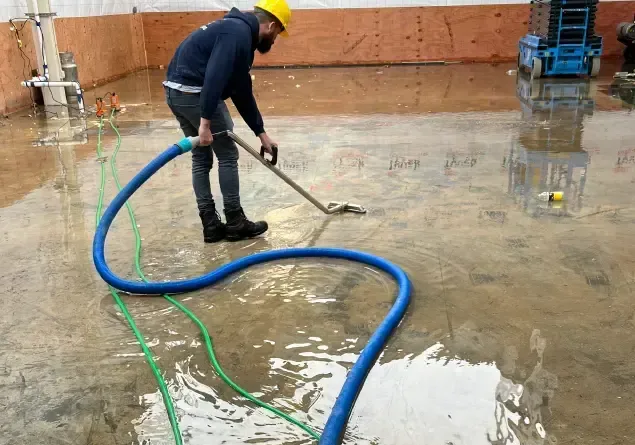 Water Extraction and Removal in ArcadiaRead the details
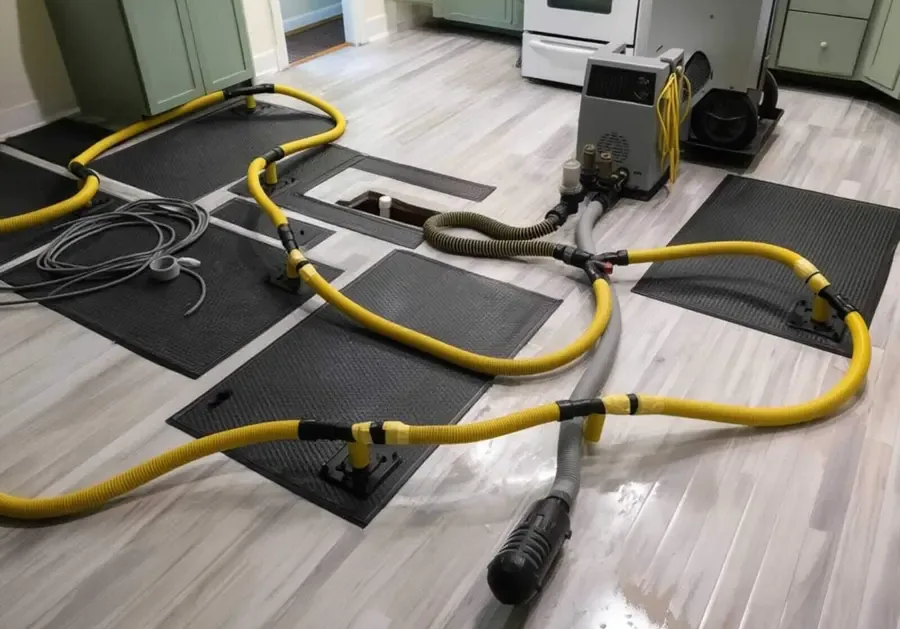 Structural Drying and Dehumidification in ArcadiaRead the details
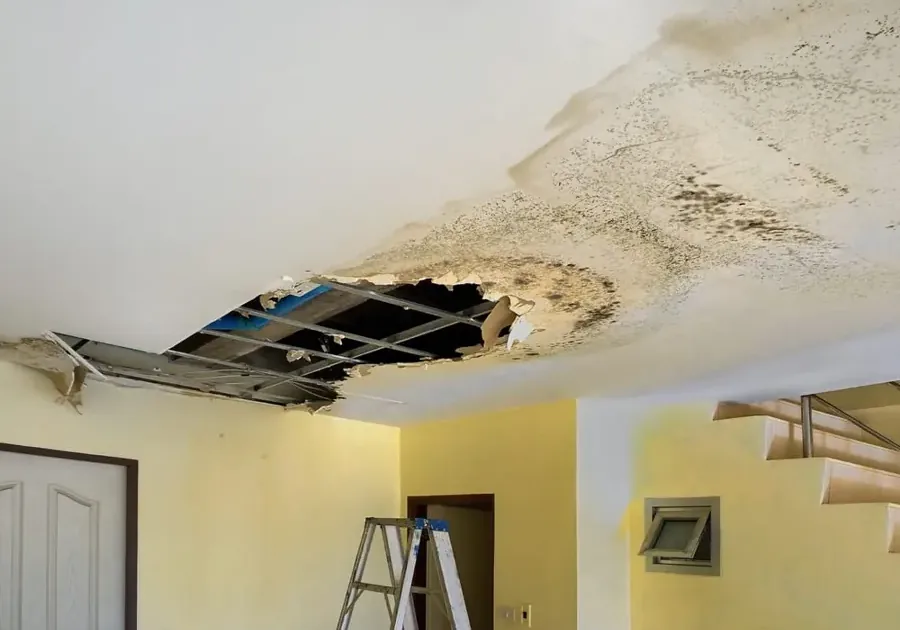 Ceiling Leak Water Damage in ArcadiaRead the details
Burst and Pinhole Pipe Leaks in Temple CityRead the details
Water damage restoration in ArcadiaRead the details
Ceiling Leak Water Damage in ArcadiaRead the details
Burst and Pinhole Pipe Leaks in Temple CityRead the details
Water damage restoration in ArcadiaRead the details Service area: Arcadia, CA
Pipe leak calls come from every part of Arcadia, from Upper Rancho to the streets around the West Arcadia Hub. The mitigation team shuts the water off, then works outward from the wettest room.
The same service nearby: burst and pinhole pipe leaks in Temple City, Sierra Madre, Rosemead.
Burst and Pinhole Pipe Leaks: questions and answers
What should be done first when a pipe bursts?
Close the main water valve, switch off power to wet areas and call for extraction. Everything after that depends on stopping the flow.
How do pinhole leaks differ from bursts?
A burst floods quickly. A pinhole leak is slow and hidden, so damage can build inside a wall before any stain shows.
Will the walls need to be opened?
Often a little. Small openings let air reach wet insulation and studs, and opening them early costs less than replacing swollen drywall later.
Who repairs the pipe?
A plumber repairs it. The restoration team removes the water and dries the structure once the leak is stopped.
How long does drying take?
Most pipe leak jobs need several days of equipment, depending on how many rooms were wet and how dense the materials are.
Hissing inside a wall? Have the moisture mapped.
Meters trace hidden leaks and drying equipment clears the damp before it settles in.