Storm Water and Street Flooding Cleanup in Monterey Park, CA
Heavy rain can push runoff under a door, fill a garage or seep through a threshold. The cleanup crew pumps it out, removes soaked materials and dries the structure before the damage spreads further.
(888) 578-6508 Storm water indoors? Call- Garages and ground floors
- Muddy water pumped out
- Floors and wall bottoms dried
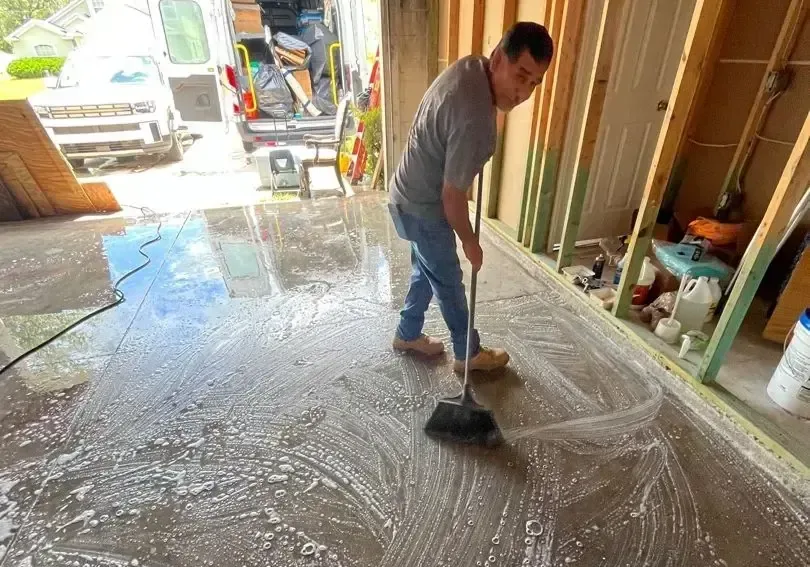
First steps when storm water and street flooding cleanup shows up
- 1Stay out of deep water
Do not wade through water near outlets or appliances, since hidden electrical hazards are common.
- 2Switch off power
Cut the breaker for wet areas if it can be done safely and from a dry spot.
- 3Photograph the flooding
Capture water depth, debris and damaged belongings.
- 4Move valuables up
Lift documents, electronics and keepsakes to higher shelves.
The city's effective map shows no special flood hazard area, but the city also warns that floods larger than the 100-year event are possible and that local drainage problems can damage structures. Storm water that enters a building is treated as dirty until proven otherwise, since it picks up soil, oil and debris on its way in.
How storm water and street flooding cleanup is handled in Monterey Park
- Assess the intrusion
Depth, debris and entry points are checked before pumps are set.
- Pump and clear
Water is pumped out and mud is removed.
- Remove soaked items
Carpet, pad and wet low drywall are cleared.
- Dry and sanitize
Equipment dries the structure after cleaning.
What does storm water and street flooding cleanup cost in Monterey Park, CA?
Storm water cleanup usually costs about $1,800 to $4,000 for a garage or single room and $4,000 to $9,000 for several rooms. Widespread intrusion can run $9,000 to $20,000. Mud and debris add labor. Debris affects labor.
Garage or one room
$1,800 to $4,000
Water pumped out, Mud cleared, Floor sanitized
Several rooms
$4,000 to $9,000
Carpet and pad removed, Low drywall cut, Air movers running
Widespread intrusion
$9,000 to $20,000
Whole-floor removal, Extended drying, Full documentation
Ranges are typical, not a quote: the water category, the square footage, the material class and how fast drying started move the number most. The water damage cost calculator gives a closer planning range.
What a storm cleanup involves
- Standing runoff is pumped from garages and rooms
- Mud and debris are shoveled and vacuumed out
- Soaked carpet, pad and low drywall are removed
- Floors and wall cavities are dried and sanitized
Storm water often carries soil and bacteria, so porous materials it touched are treated differently from clean leaks.
Drains, basins and downpours
The city storm system includes about 735 catch basins. When leaves or debris block one during a downpour, water can back up the street, across a driveway and under a garage door. City rules also bar dumping oil and debris into gutters, which helps keep basins clear.
After the water is out
Once the mud is cleared, structural drying removes moisture from slabs and walls. Flood coverage is usually a separate policy from homeowners insurance, so document everything before cleanup begins. Rain that entered from above is covered under roof leak damage.
How storm water and street flooding cleanup is held to a standard
Order matters: measure, extract, dry to a goal, then prove it with readings.
Dispatch at any hour
Active water is treated as urgent at 3 a.m., on a Sunday or on a holiday, the same as on a weekday morning.
Dry by the numbers
IICRC S500 sets the goal. Equipment stays until meter readings match a dry reference, not until a surface feels dry.
A file the adjuster can use
Moisture maps, daily psychrometric logs and timestamped photos taken before any demolition go into one record.
Built for valley houses
Slab floors, raised floors with crawl spaces, garage water heaters and older supply lines are routine work in valley homes.
Related water damage services
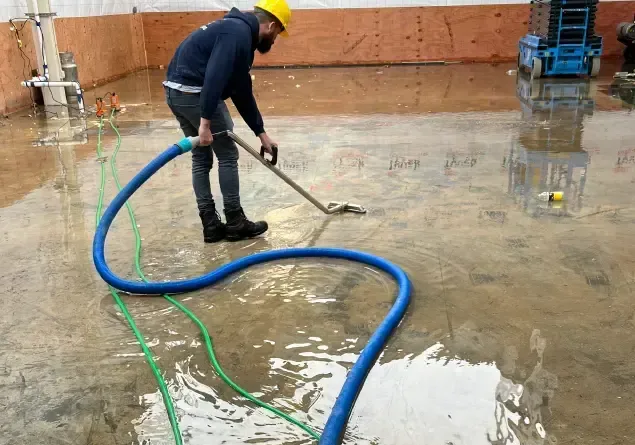 Water Extraction and Removal in Monterey ParkRead the details
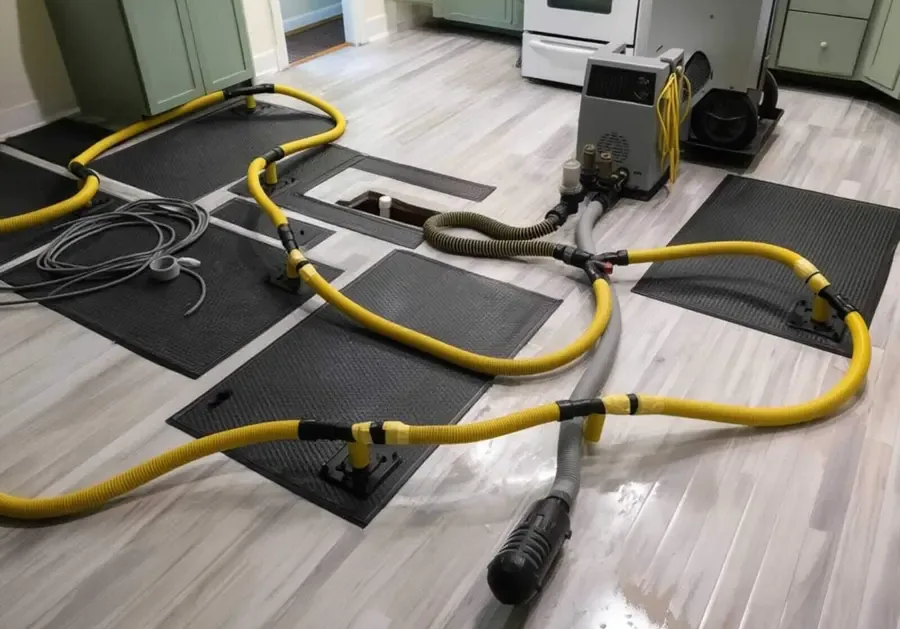 Structural Drying and Dehumidification in Monterey ParkRead the details
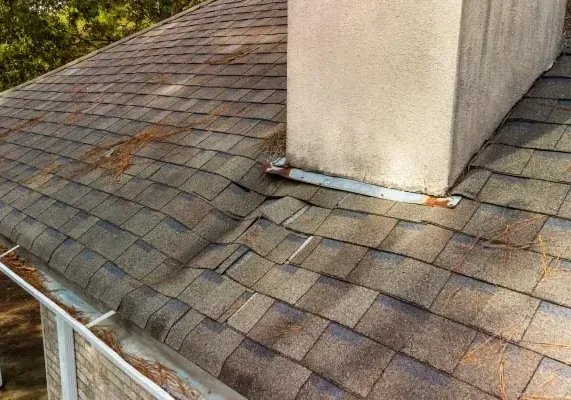 Roof Leak Water Damage in Monterey ParkRead the details
Storm Water and Street Flooding Cleanup in Temple CityRead the details
Water damage restoration in Monterey ParkRead the details
Roof Leak Water Damage in Monterey ParkRead the details
Storm Water and Street Flooding Cleanup in Temple CityRead the details
Water damage restoration in Monterey ParkRead the details Service area: Monterey Park, CA
Storm cleanup applies to ground-floor homes, garages and shop fronts on streets across the city, wherever rain finds a path inside. Streets near Garvey Avenue and South Atlantic Boulevard have both older and newer buildings at street level.
The same service nearby: storm water and street flooding cleanup in Temple City, Rosemead, Pico Rivera.
Water damage restoration in Monterey Park · every city covered
Storm Water and Street Flooding Cleanup: questions and answers
Is storm water dangerous?
It can carry soil, oil and bacteria, so protective gear and careful removal of soaked materials matter, and porous items are often discarded.
Is my home in a flood zone?
The city's effective map shows none, yet drainage problems still happen. Check with your insurer.
Does homeowners insurance cover floods?
Typically not. Flood coverage is usually a separate policy, so reading the policy and calling the insurer early is worthwhile.
How long does a flooded garage take to dry?
The concrete and the low walls can take several days to dry, depending on readings, the amount of water and how long it stood.
Can I clean up mud myself?
Small amounts, yes, with gloves and boots. Large intrusions need pumps, protective gear and professional drying equipment.
Does the city keep storm drains clear?
The city runs a storm drain system with about 735 catch basins, and an ordinance bars dumping oil and debris into gutters. Debris can still block a basin during a downpour.
Muddy water needs pumps, removal of soaked items and thorough drying.
Pumping, debris removal and drying, documented for flood and homeowner claims.