Slab Leak Water Damage in Monterey Park, CA
A pipe leaking under the concrete floor can run for weeks before anything shows. When warm tile, wet carpet or a rising bill gives it away, the drying team maps the damage and dries the slab.
(888) 578-6508 Warm or damp floor? Call now- Thermal imaging of wet floors
- Flooring lifted where readings say
- Concrete dried with dehumidifiers
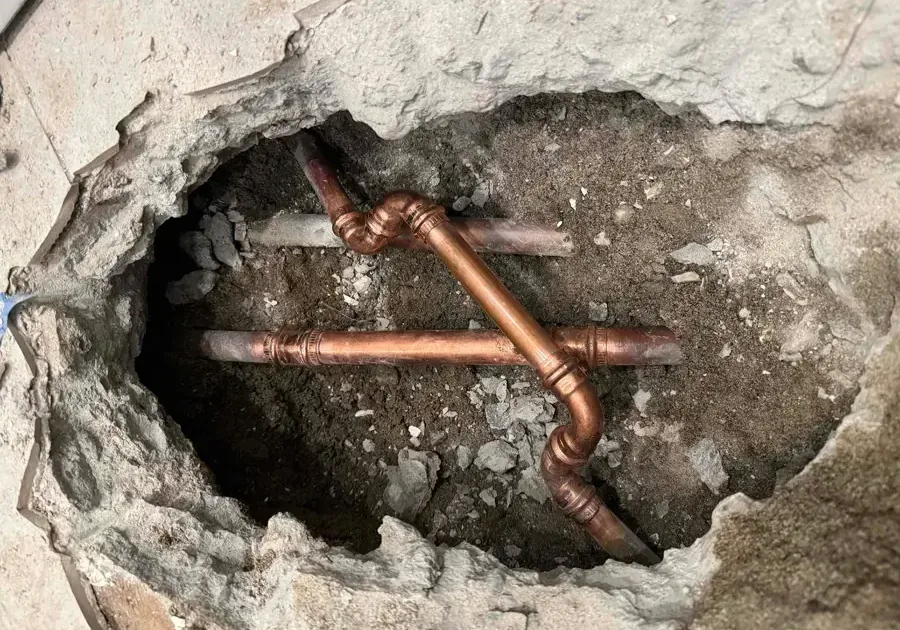
First steps when slab leak water damage shows up
- 1Shut the main valve
Closing the main stops pressure on the leaking pipe.
- 2Turn off the water heater
If the floor is warm, switch the heater off to protect the tank.
- 3Photograph warm spots
Record cupping, damp carpet or discolored grout before anything moves.
- 4Clear the floor
Move rugs and light furniture off the suspected area.
A slab leak sends water into the concrete and up through flooring. The signs are easy to miss: a warm patch on tile, a musty smell, cupped boards or a water bill that jumped. Plumbers repair the pipe, and the restoration team handles the wet building.
How slab leak water damage is handled in Monterey Park
- Map the moisture
Thermal imaging and meters outline where the floor is wet.
- Open the wet area
Flooring and baseboards come up where readings call for it.
- Dry the concrete
Dehumidifiers and focused airflow pull water out of the slab.
- Confirm dry
Readings repeat until the slab matches a dry reference.
What does slab leak water damage cost in Monterey Park, CA?
Slab leak water damage typically costs about $2,500 to $5,500 for one room caught early and $5,500 to $12,000 when several rooms are affected. A whole floor plan runs $12,000 to $22,000. Flooring type and slab size shift the total.
One room, caught early
$2,500 to $5,500
Flooring lifted at the leak, Baseboards removed, Focused slab drying
Several rooms
$5,500 to $12,000
Wider flooring removal, Wall bottoms opened, Extended dehumidifier run
Whole floor plan
$12,000 to $22,000
Most flooring out, Cabinet bases opened, Long concrete drying
Ranges are typical, not a quote: the water category, the square footage, the material class and how fast drying started move the number most. The water damage cost calculator gives a closer planning range.
What the drying team does
- Thermal imaging and meters outline the wet area
- Flooring and baseboards come up over the damage
- Wet padding and soaked drywall bottoms are removed
- The concrete is dried with dehumidifiers and airflow
Concrete holds water far longer than wood or drywall, so the dry-out runs on readings rather than a set number of days. No foundation type is assumed for any home, and every job begins with measurement.
Why waiting costs more
Moisture rising through a slab swells hardwood, loosens tile adhesive and soaks the bottom of walls. The longer it runs, the more flooring has to come up, and the stronger the case for starting while the damage is still one room.
Plumber first, dryer second
A plumber fixes the pipe, but the structure still needs attention afterward. Teams coordinate with the plumber so the opening in the floor is not closed over wet concrete. Related work includes burst pipe damage elsewhere in the house, while structural drying explains how the concrete is monitored.
How slab leak water damage is held to a standard
Order matters: measure, extract, dry to a goal, then prove it with readings.
Dispatch at any hour
Active water is treated as urgent at 3 a.m., on a Sunday or on a holiday, the same as on a weekday morning.
Dry by the numbers
IICRC S500 sets the goal. Equipment stays until meter readings match a dry reference, not until a surface feels dry.
A file the adjuster can use
Moisture maps, daily psychrometric logs and timestamped photos taken before any demolition go into one record.
Built for valley houses
Slab floors, raised floors with crawl spaces, garage water heaters and older supply lines are routine work in valley homes.
Related water damage services
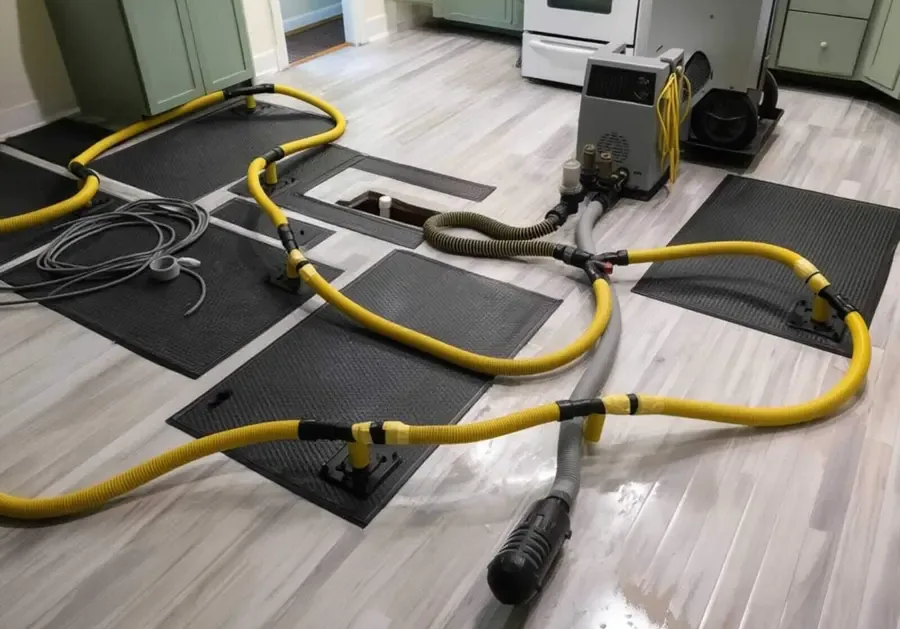 Structural Drying and Dehumidification in Monterey ParkRead the details
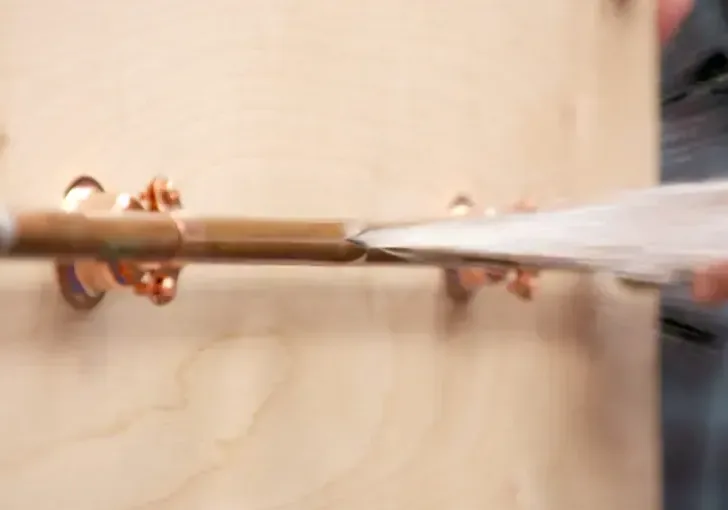 Burst and Pinhole Pipe Leaks in Monterey ParkRead the details
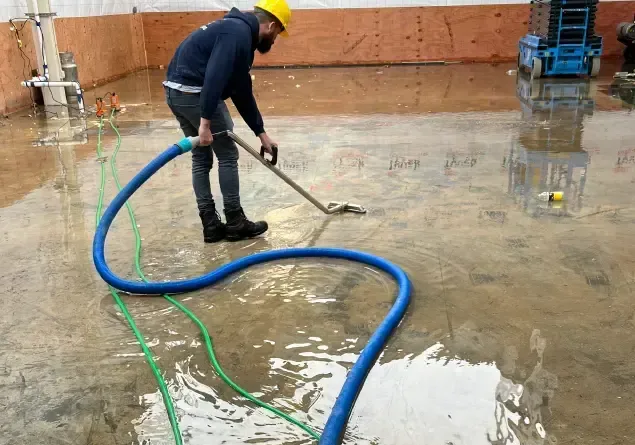 Water Extraction and Removal in Monterey ParkRead the details
Slab Leak Water Damage in Temple CityRead the details
Water damage restoration in Monterey ParkRead the details
Water Extraction and Removal in Monterey ParkRead the details
Slab Leak Water Damage in Temple CityRead the details
Water damage restoration in Monterey ParkRead the details Service area: Monterey Park, CA
Slab drying jobs show up in single-story homes and ground-floor units throughout the city, in older neighborhoods and postwar subdivisions alike. Midwick View Estates and the postwar subdivisions around it include single-story homes where this problem appears.
The same service nearby: slab leak water damage in Temple City, Rosemead, Pico Rivera.
Water damage restoration in Monterey Park · every city covered
Slab Leak Water Damage: questions and answers
How do I know it is a slab leak?
Warm floor spots, the sound of running water with fixtures off and an unexplained bill increase are common signs.
Will flooring need to be removed?
Often over the wettest zones. Meter readings decide how much comes up, and the crew tries to open only what the moisture map calls for.
Can concrete be dried in place?
Yes. Dehumidifiers and airflow can dry a slab, though it takes longer than wood or drywall.
Who repairs the pipe?
A plumber handles the leak itself. The restoration team handles the drying and cleanup, and the two usually coordinate so the opening is not sealed too soon.
Does insurance cover a slab leak?
Sometimes, depending on the policy. The mapping and reading logs are what an adjuster usually asks to see.
Will the floor need to stay open?
Only until the concrete dries. After the readings match a dry reference, the plumber and the flooring contractor can close the opening, so the repair does not trap moisture.
Water coming up through the concrete needs real drying.
Leak mapping, opened flooring and a dried slab, all documented with moisture readings for the claim file.